The U.S. National Highway Traffic Safety Administration (NHTSA) has launched its annual Drive Sober or Get Pulled Over campaign ahead of the Labor Day holiday period, combining a national media effort with increased enforcement against impaired driving. From August 19 through Labor Day, law enforcement agencies across the United States are increasing patrols to identify and stop drivers who are under the influence of alcohol or other drugs, while campaign advertising continues through September 7 across television, radio, digital platforms and social media.
Alcohol-impaired driving remains a major road safety problem in the United States. In 2024, 30% of all U.S. traffic fatalities involved an alcohol-impaired driver, resulting in 11,904 deaths. Although this represented a decrease of nearly 4% compared with the previous year, NHTSA estimates that one person was still killed every 44 minutes in an alcohol-impaired-driving crash. Men aged 21 to 34 made up the largest demographic group of alcohol-impaired drivers involved in fatal crashes, while fatal crashes involving an impaired driver occurred three times more often at night.
This year’s campaign also expands beyond the traditional enforcement message. NHTSA is launching a Sober Driving Pledge Tailgate Tour, which will visit major college football games during the season and invite fans to sign a national pledge not to drive impaired. At the campaign launch in Washington, participants were also able to experience a sobriety simulator and hear from Ebbony and Raymond Jackson, whose son, NFL-drafted football player Khyree Jackson, was killed by an impaired driver in 2024.
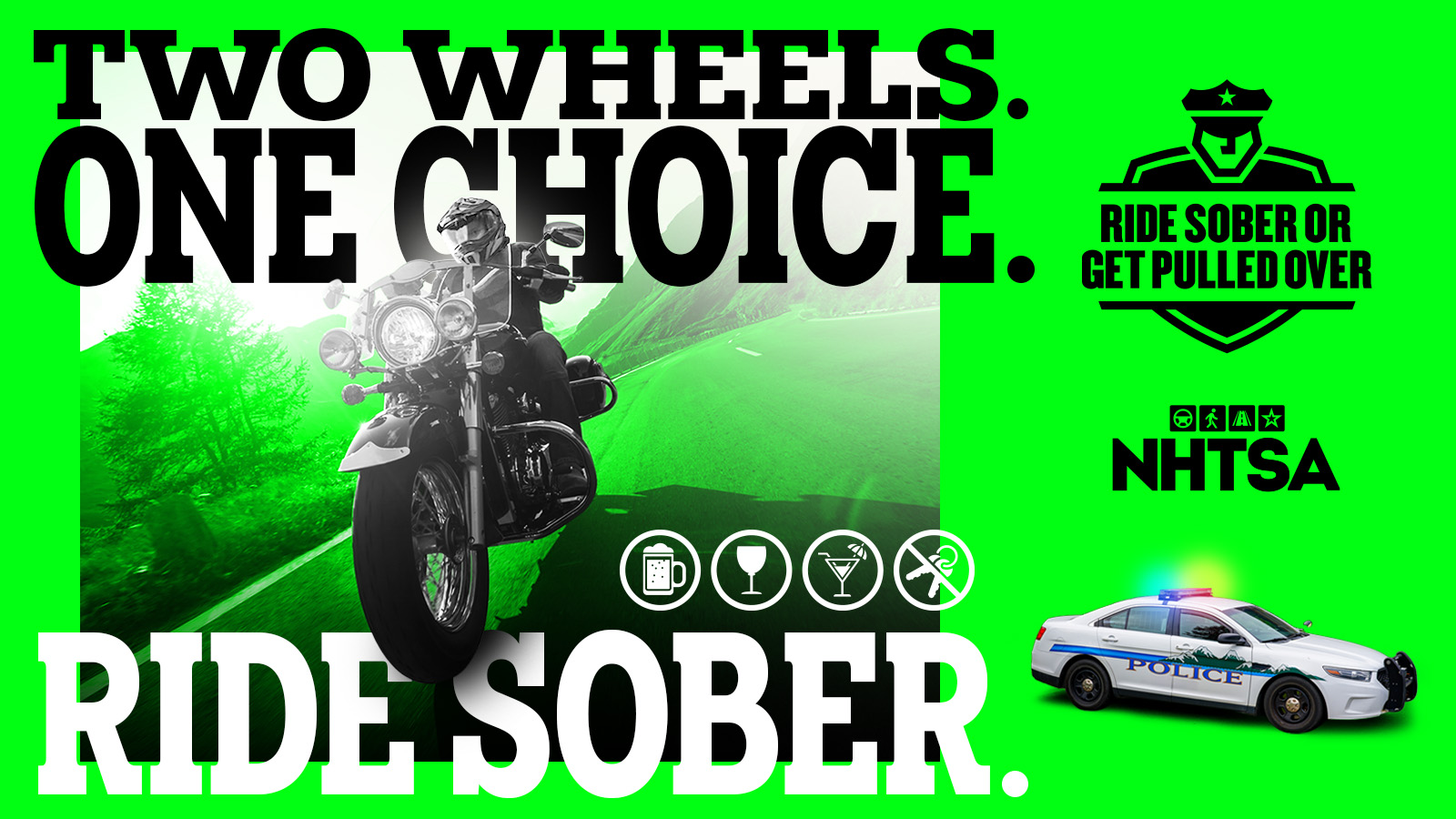
Alongside Drive Sober or Get Pulled Over, NHTSA is promoting targeted messages for other forms of impaired driving. Drive High, Get a DUI focuses on driving after cannabis or other drug use, while Ride Sober or Get Pulled Over addresses motorcycle riders. According to NHTSA, motorcyclists had the highest percentage of alcohol-impaired operators among vehicle types in 2024, and 40% of motorcycle riders killed in single-vehicle crashes were impaired by alcohol. The agency encourages people to plan a sober journey home before drinking, use a designated driver, taxi or ride-hailing service, and never allow someone who has been drinking to drive or ride.
Find more from NHTSA (USA, August 2026)

