A new video from the Air Safety Institute looks at how alcohol affects the brain, with a clear focus on aviation safety. In The Mind of a Pilot: Alcohol and the Brain, aerospace neurologist Dr. Billy Hoffman explains why brain health is central to safe flying and why the common rule of “eight hours bottle to throttle” should be seen as a legal minimum, not necessarily a guarantee that a pilot is fully fit to fly.
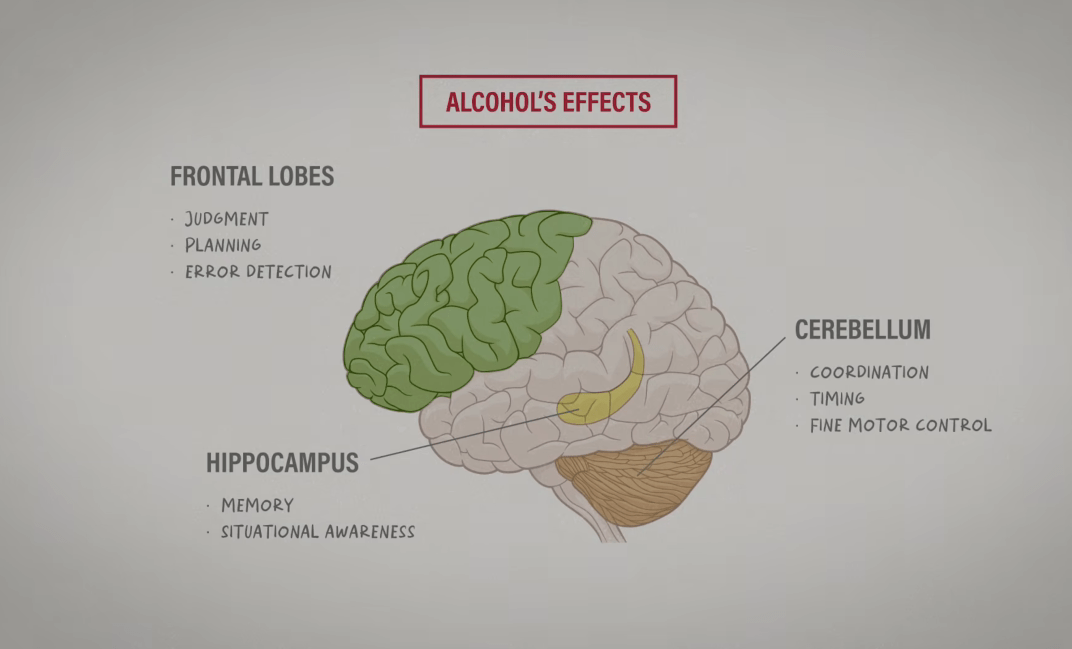
The video explains that alcohol rapidly reaches the brain and affects several areas that are critical for piloting. It can reduce activity in the frontal lobes, affecting judgment, planning and error detection. It can also disturb the hippocampus, which is important for memory and situational awareness, and the cerebellum, which supports coordination, timing and fine motor control. Alcohol may also affect the vestibular system in the inner ear, increasing the risk of dizziness or vertigo even a day or longer after drinking.
A key point in the video is that impairment can continue after blood alcohol concentration has returned to zero. Attention, reaction time, working memory and decision-making may still be affected for 8 to 24 hours after drinking. Alcohol also disrupts sleep, reducing the brain’s ability to fully recover. For pilots, this makes alcohol not only a question of regulation, but of personal responsibility and risk awareness. The video encourages pilots to include a longer alcohol-free interval in their own personal minimum checklist and to make sure their brain is truly fit to fly.
Find more from Air Safety Institute (May 2026)

