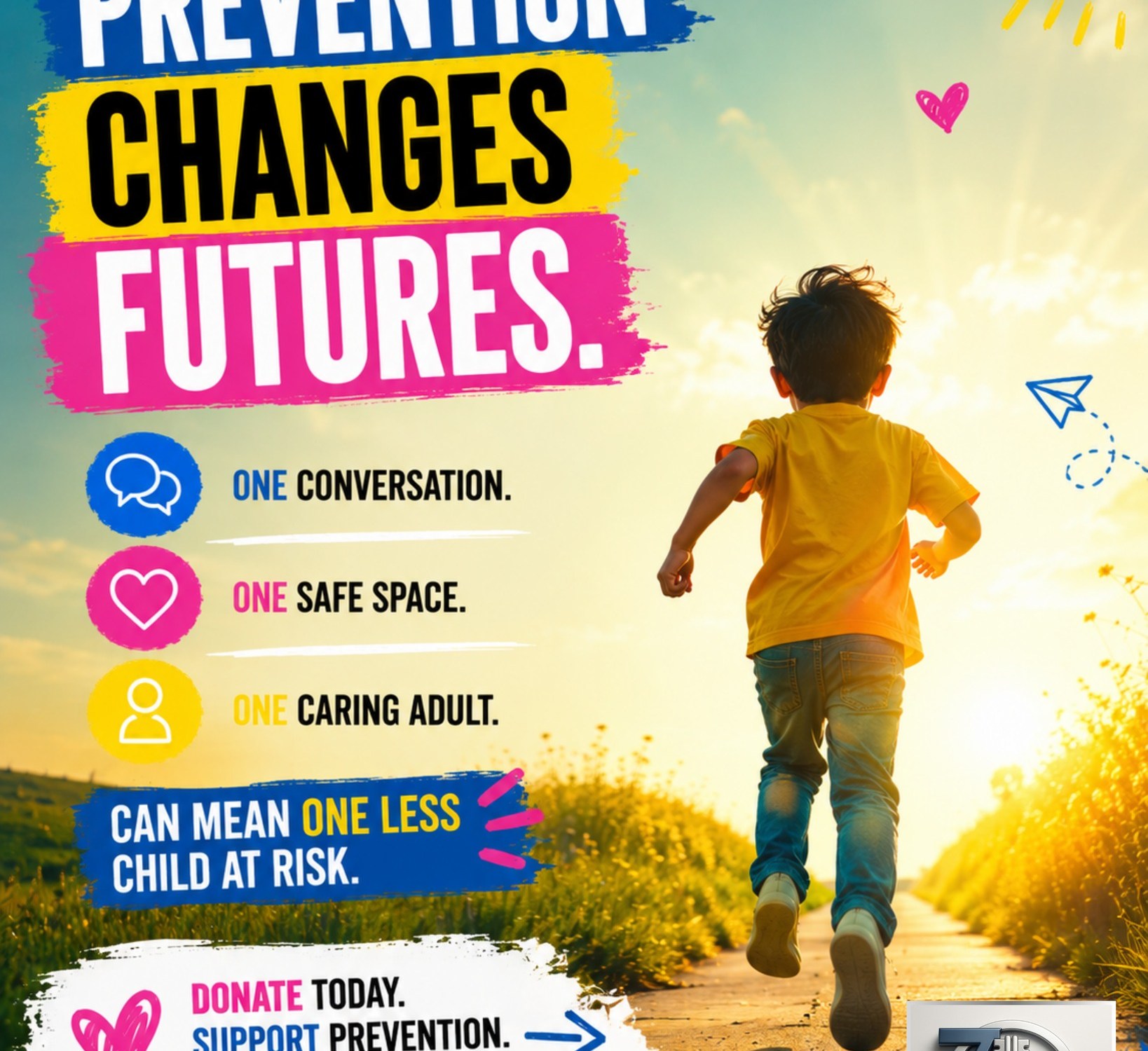
SANCA National’s One Less Child campaign focuses on the growing substance use crisis affecting children and young people in South Africa. The campaign warns that alcohol and drug use are no longer distant risks, but part of the everyday environment for many children, including in schools and communities where substances are easily available. SANCA points to South Africa’s high alcohol consumption, the country’s serious burden of fetal alcohol syndrome, and the growing availability of illegal drugs such as cocaine, heroin, methamphetamine, cannabis and nyaope.
The campaign highlights how substance use can begin with experimentation but, for some children, quickly becomes a pattern that damages their health, education and relationships. Teachers report children bringing drugs to school, while peer pressure and easy access make prevention more difficult. SANCA also notes that the 14 to 17 age group is now the largest demographic being treated for substance use disorders, with cannabis, alcohol, heroin and methamphetamine among the main substances reported by young people.
One Less Child also draws attention to the wider social impact of substance abuse. It links the issue to poverty, school dropout, crime, gender-based violence, mental health problems and premature death. In low-income communities, where unemployment and violence may already be part of daily life, substance use can become both an escape and a trap. The campaign argues that young people are being exposed to dangerous substances without enough protection, support or early intervention.
SANCA presents its I CAN programme as a prevention response built around the idea that young people can say no to substance use. Through the campaign, SANCA invites support through school prevention work, community outreach, sponsorship of children, CSI funding and long-term partnerships. The aim is to stop addiction before it starts, strengthen families and communities, and help ensure that fewer children are lost to alcohol and drug-related harm.
Find more from SANCA (South Africa, 2026)

