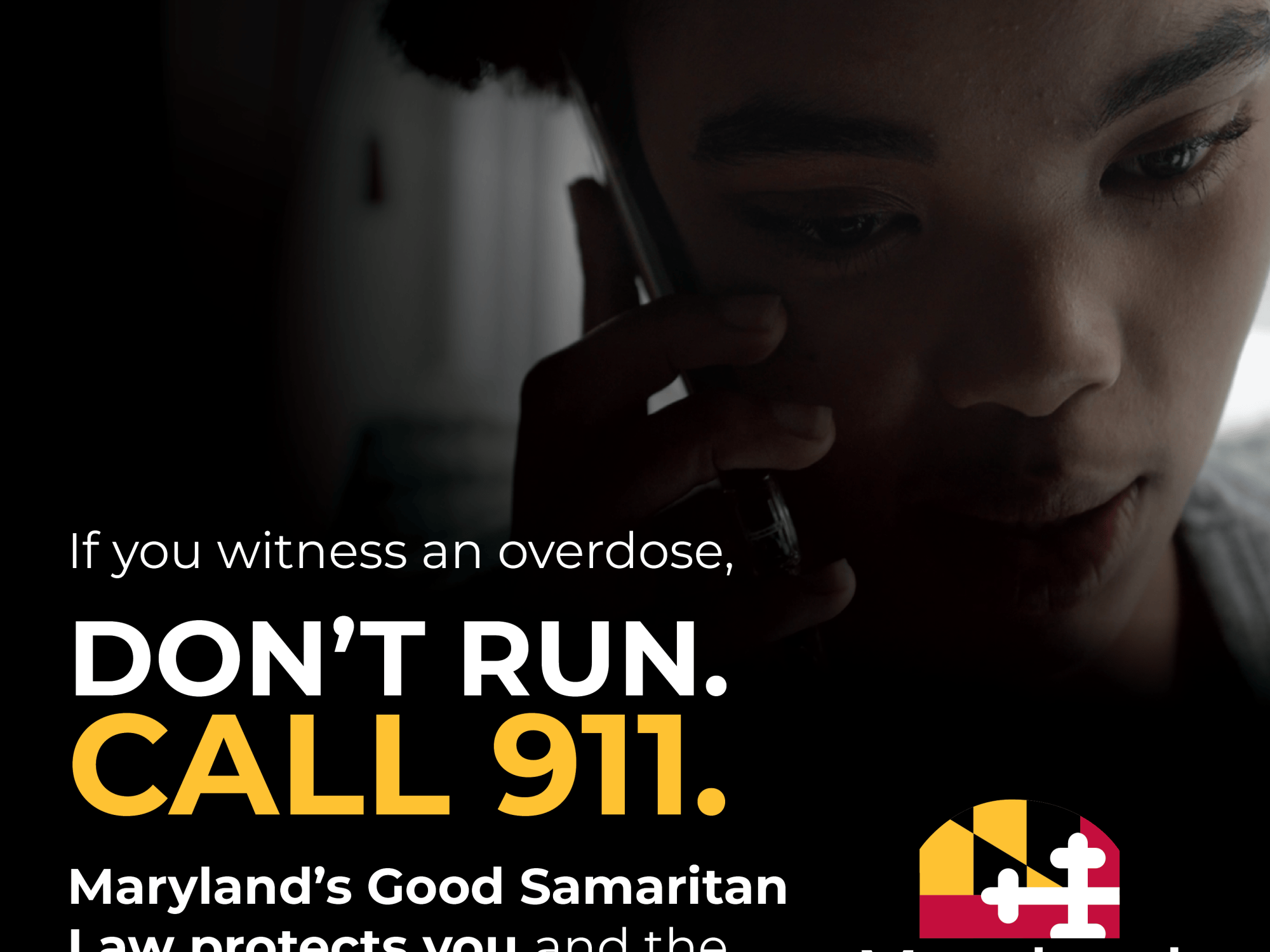
When someone experiences an alcohol- or drug-related overdose, seeking medical assistance can save their life. Yet fear of arrest or prosecution may prevent people from calling for help. Maryland’s Good Samaritan Law aims to remove some of these barriers by providing legal protections for people who seek or assist with medical help during an overdose emergency. The law is designed to encourage anyone, regardless of age, to act when someone’s life may be at risk.
The law protects both the person experiencing an overdose and those who seek, provide or assist with medical care. It provides immunity from arrest, charges and prosecution for specified offences, including possession of controlled substances, drug paraphernalia offences and certain alcohol-related offences involving minors. These protections apply when the evidence is obtained solely because someone sought or received medical assistance. The law also protects individuals from sanctions related to pretrial release, probation or parole under the same conditions.
However, Maryland’s Good Samaritan Law has important limitations. It does not protect people who merely witness an overdose without helping, nor does it provide immunity for outstanding arrest warrants, drug felonies or other offences outside its scope. As a state law, it does not extend to federal or immigration laws, and police may still conduct investigations and collect evidence. Understanding these boundaries is important, but the central purpose remains to encourage people to seek emergency medical assistance rather than hesitate because of potential legal consequences.
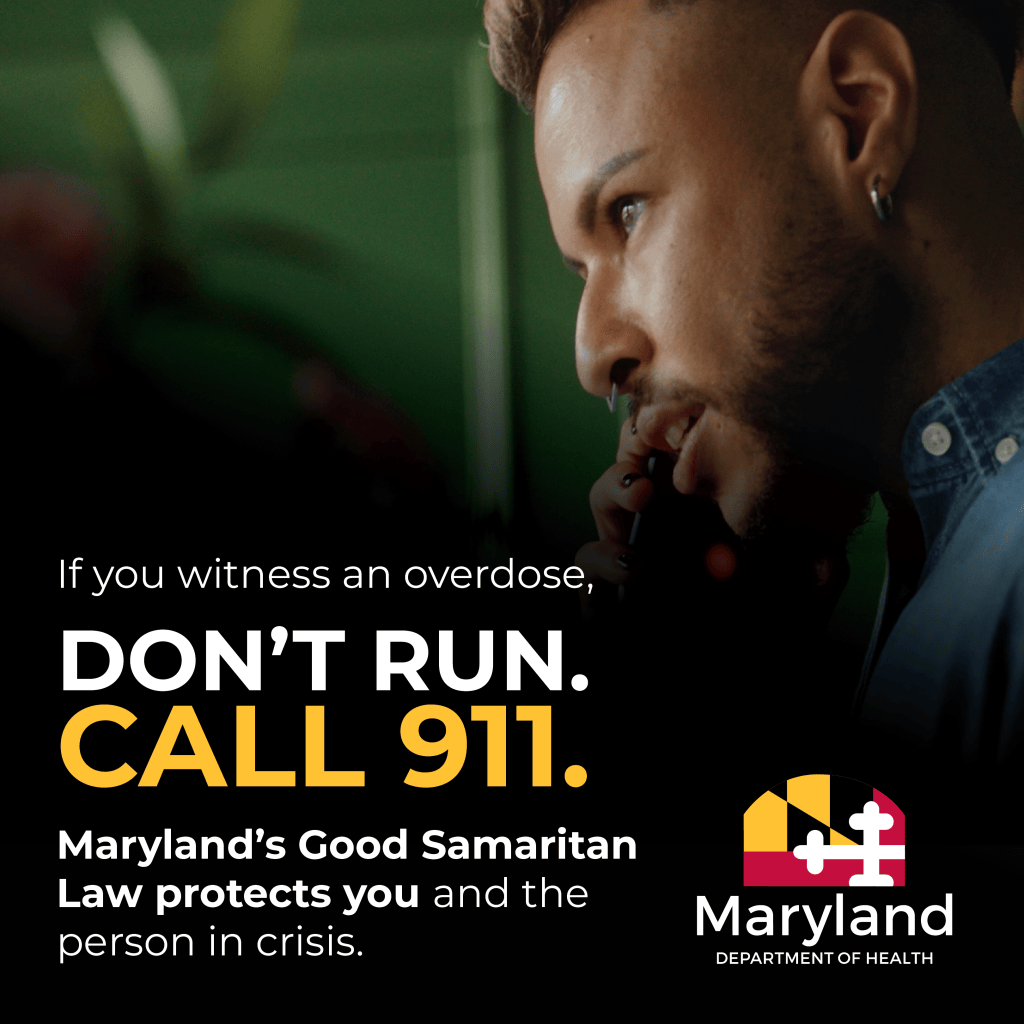
To help more people understand these protections, the Maryland Department of Health provides a public awareness toolkit with print and digital resources that can be shared in communities. An educational video and fact sheets in English and Spanish explain who is protected, what the law covers and where its limitations apply. These materials offer practical resources for community organisations, healthcare professionals and others working to increase awareness of overdose prevention. By making information about legal protections more accessible, the initiative seeks to reduce hesitation and encourage people to call 911 when someone needs urgent medical help.
Find more from Maryland Department of Health (USA, September 2026)


This is wonderful. Hope many other states follow suit.
LikeLike