World No Alcohol Day, marked on 15 November, has prompted a range of local initiatives across Spain this year. In Logroño, outreach workers are taking conversations about alcohol to places where young people already gather. In four municipalities near Barcelona, residents helped create a poster about the drinking situations we tend to take for granted. And in Tarancón, local venues are giving young adults an extra reason to order an alcohol-free drink. The observance gives these communities a shared date, but much of the work began before 15 November and will continue afterwards.
In Logroño, the municipality scheduled outreach around university celebrations on 13 and 14 November. During afternoon and evening visits to gathering places, outreach workers use games to discuss alcohol-related risks and short surveys to hear what young people think. The city also offers a guide for families, Menores sin Alcohol, which looks at how drinking becomes normalised and gives parents practical advice. In December, the municipality plans to contact hospitality venues and retailers to remind them of their role in keeping alcohol out of the hands of minors.
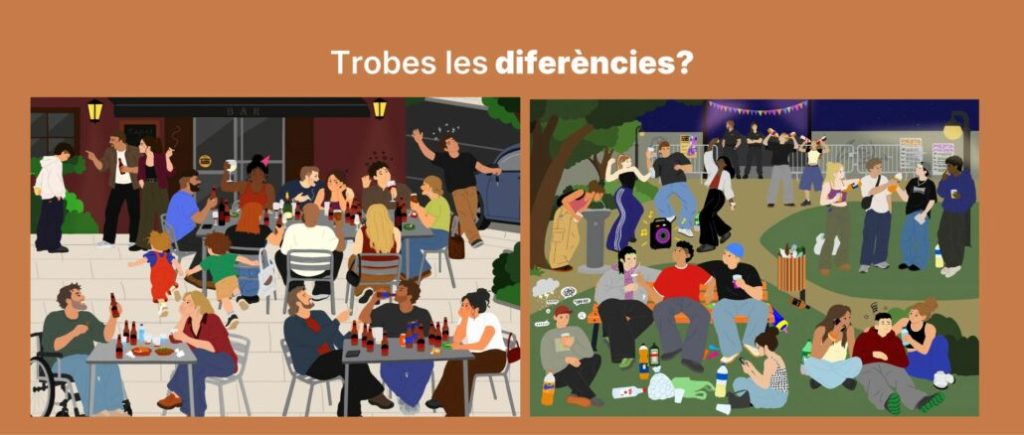
In Catalonia, the prevention service La VIBRA took a different approach. Its campaign, Trobes les diferències? (Can you spot the differences?), asks people to look again at familiar scenes from parties, celebrations and social gatherings. Adolescents and adults across Cornellà de Llobregat, Esplugues de Llobregat, Sant Joan Despí and Sant Just Desvern discussed drinking habits, social pressure and how people can look after one another. Those conversations shaped the scenes on the poster. The project began in November 2025, and this year the municipalities are sharing the resulting poster and postcards with the wider community.
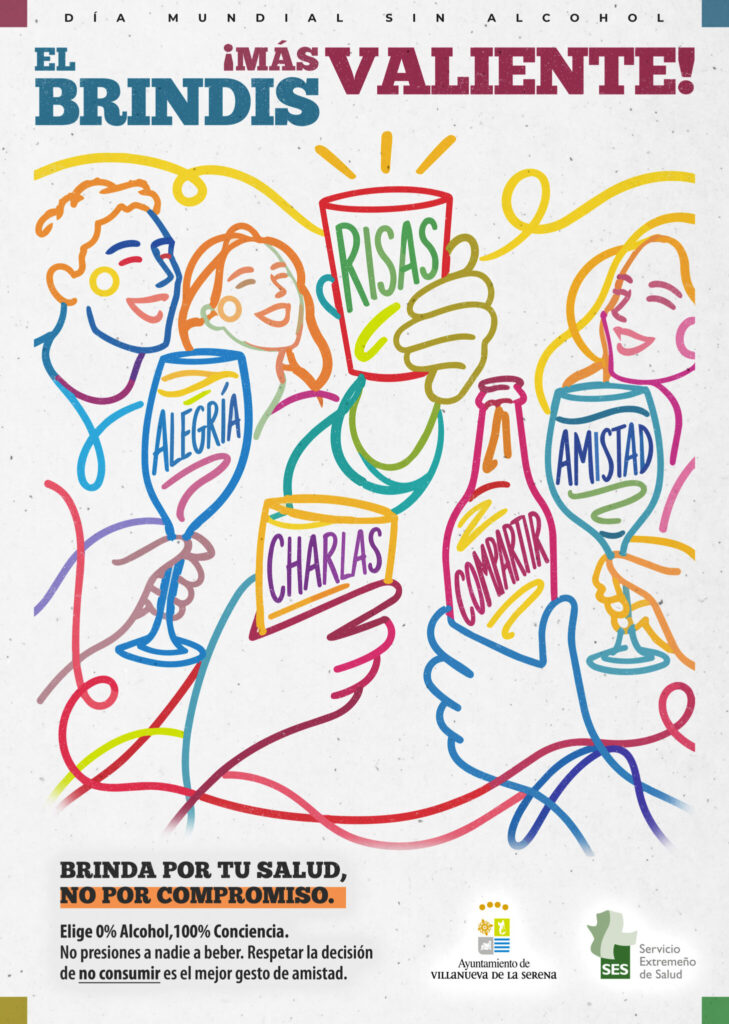
Two other towns are addressing the pressure to drink in different ways. Villanueva de la Serena’s El brindis más valiente (The bravest toast) asks people to respect someone’s decision to decline a drink. Tarancón is trying a practical incentive: from 13 November to 8 December, participating venues are offering prize draw entries to people aged 18 to 30 who choose alcohol-free drinks. The town also scheduled a community walk for 15 November, with an escape room and an alcohol-free cocktail workshop later in the month. It would be useful to know whether the incentive changes what people order and whether any change lasts beyond the promotion.
Other initiatives focus on what families and schools can do. Cabra is offering a free online course for parents on setting boundaries, talking about alcohol without stigma and finding alternatives for young people’s leisure time. Its secondary school workshops address myths about drinking and how to respond to peer pressure. The Balearic Islands’ prevention programme has published a family infographic that encourages parents and carers to talk openly about alcohol, agree on clear rules and think about the example their own behaviour sets.
Recovery organisations are also part of the picture. In Valladolid, the local recovery association ARVA presented a campaign on 12 November with support from the city and the University of Valladolid. Its message, Alcohol burns everything it touches, draws attention to the effects drinking can have on families, workplaces and communities. In Rota, members of Alcoholics Anonymous shared their experiences of dependence and recovery with pupils at two schools. In Don Benito, the municipality and the regional recovery association AL.R.EX. scheduled a public march and activities on 15 November, including games and road safety exercises.
The examples show what local organisers can do with an awareness day. A poster can help people recognise a familiar kind of pressure. An outreach worker can hear directly from young people who might never attend a formal session. A venue can make an alcohol-free choice easier to make in public. These are different contributions, and the campaign announcements do not tell us which activities reduce harm or by how much. The useful question after 15 November is what communities can carry forward: which conversations can continue, what support people can turn to, and what changes would make it easier to decline a drink throughout the year.
Find more from Logroño City Council (Spain, November 2026)