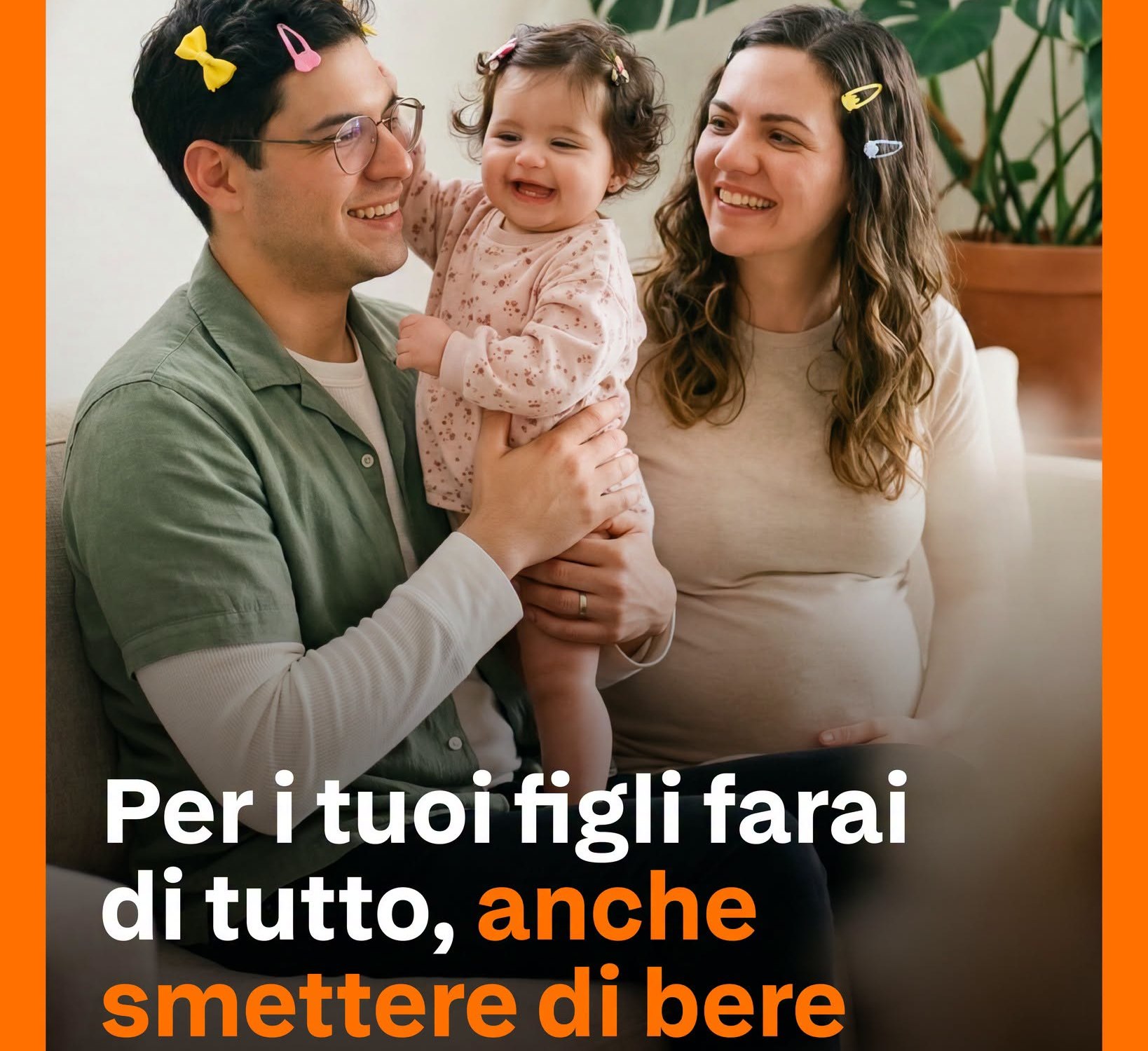
Italy’s Ministry of Health, together with the Istituto Superiore di Sanità (ISS), has launched a new national campaign, “Zero alcol in gravidanza” (Zero Alcohol in Pregnancy), to raise awareness of the risks associated with alcohol use during pregnancy. The campaign began on 9 September 2026, marking World Fetal Alcohol Spectrum Disorders Awareness Day, and will continue until the end of November. Scientific content has been developed together with experts from the ISS and the Italian Society of Gynecology and Obstetrics (SIGO), including a series of dedicated video interviews.
The campaign highlights that alcohol exposure during pregnancy can cause permanent harm to the developing fetus. Alcohol and its metabolites cross the placenta, and prenatal alcohol exposure can lead to Fetal Alcohol Spectrum Disorders (FASD), which can include physical abnormalities, impaired growth, and neurodevelopmental difficulties affecting behaviour, learning and cognitive functioning. Fetal Alcohol Syndrome (FAS) represents the most severe clinical form within this spectrum.
One of the campaign’s main messages is that there is no known safe amount of alcohol during pregnancy. It also extends the focus beyond pregnancy itself, addressing women and couples who are planning a pregnancy. The campaign notes that FASD prevalence remains difficult to estimate because of challenges with diagnosis and identifying prenatal alcohol exposure, while European studies suggest that alcohol consumption during pregnancy remains relatively common.
“Zero alcol in gravidanza” is aimed both at the public, particularly young women, couples of reproductive age and people planning a pregnancy, and at health professionals including general practitioners, paediatricians, gynaecologists and midwives. The campaign will run across the Ministry of Health and ISS social media channels, using posts, carousels, reels and video. Its communication style deliberately avoids blame or moralising, instead presenting an alcohol-free pregnancy as a natural and supportive choice within everyday parenthood.
Find more from Italy’s Ministry of Health (Italy, September 2026)

