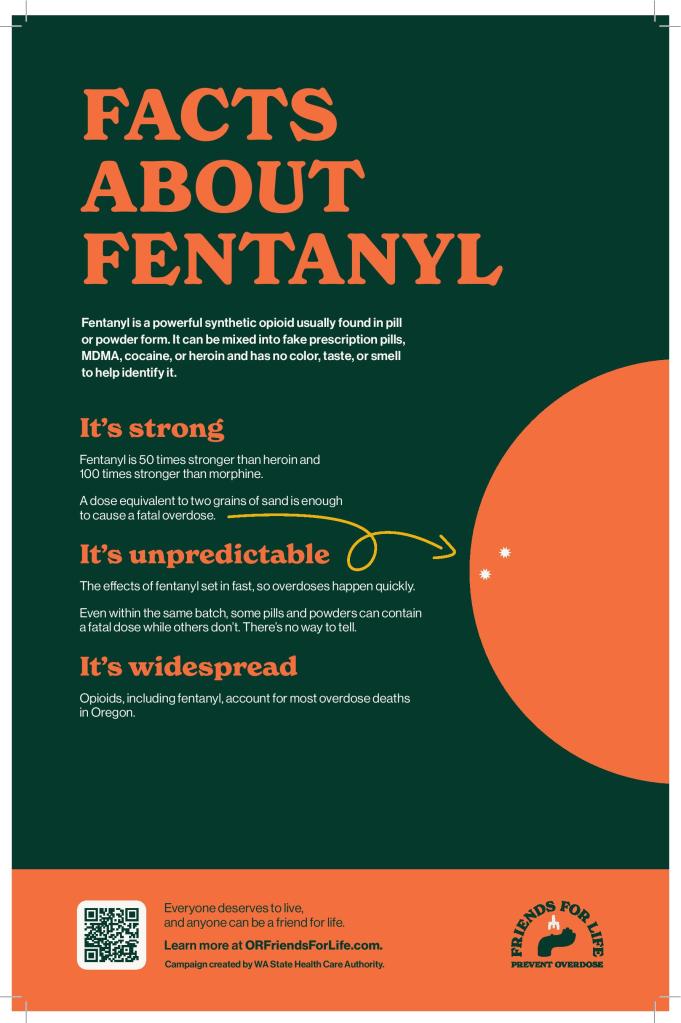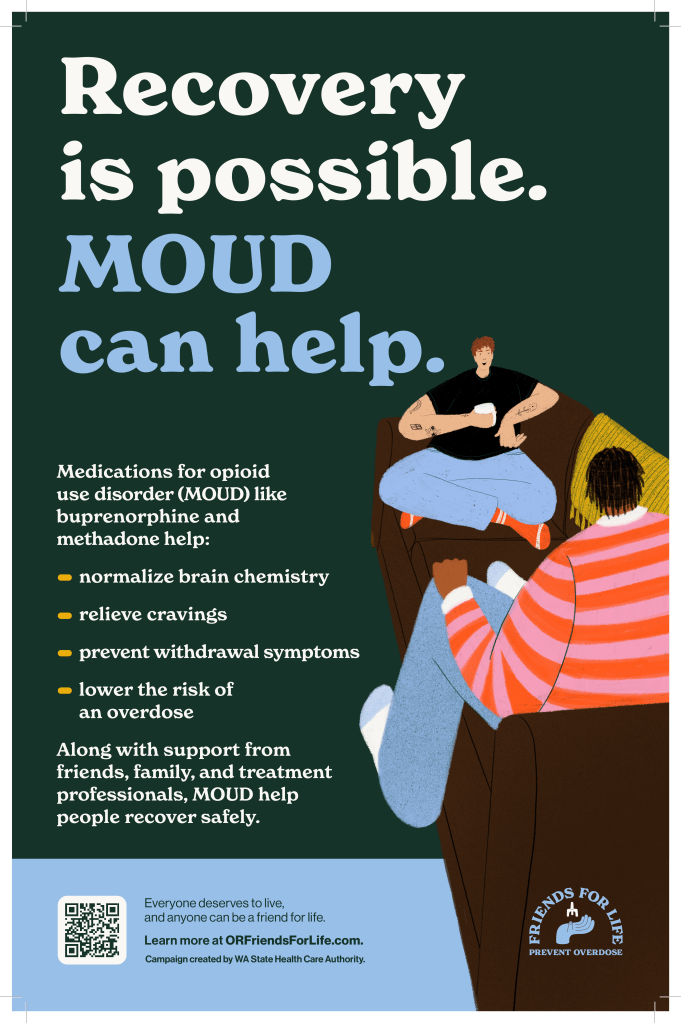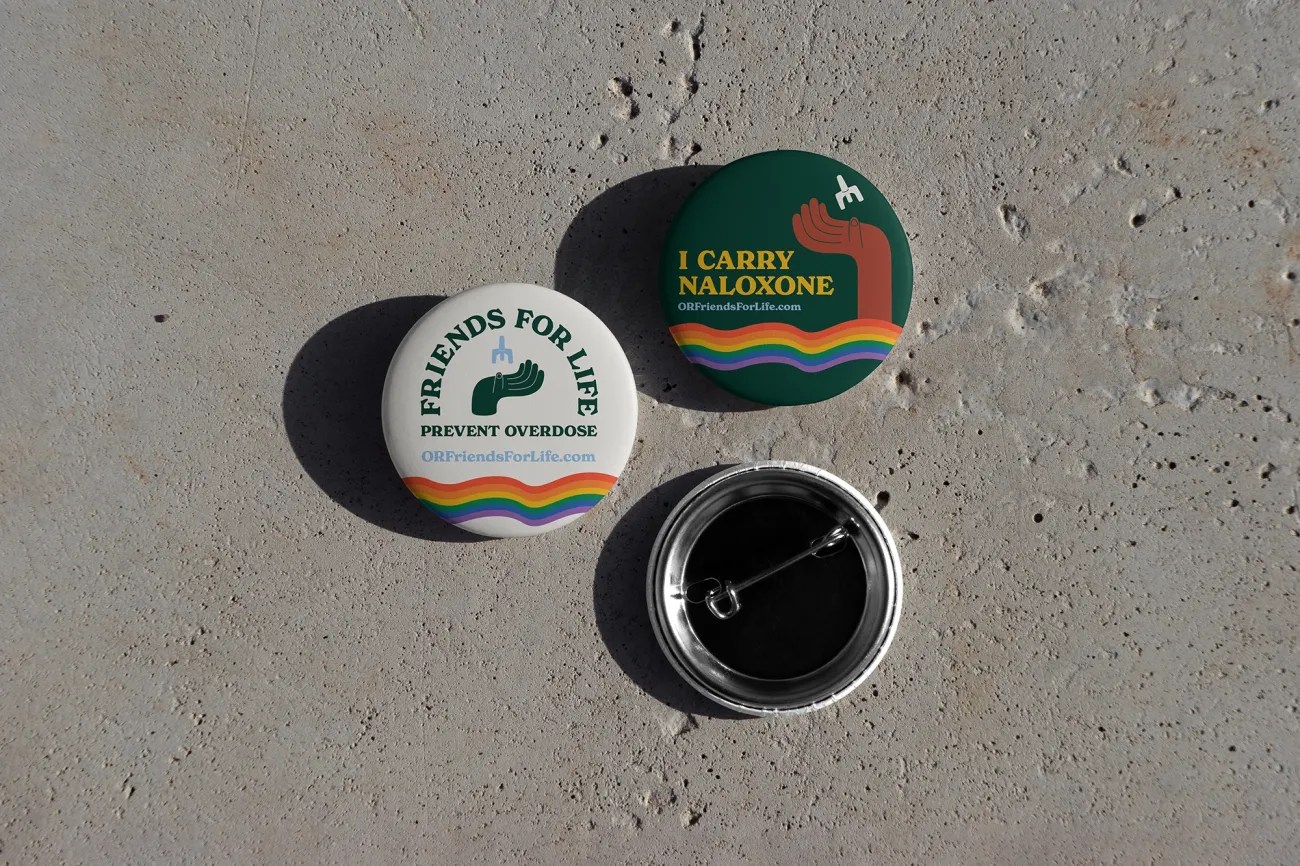
Oregon has launched a new statewide overdose prevention effort aimed at helping teenagers and young adults protect themselves and the people around them. Friends for Life, introduced by the Oregon Health Authority and the Oregon Department of Education in partnership with the Washington State Health Care Authority, is focused on young people aged 13 to 25. The campaign provides practical information about fentanyl and other drugs, fake prescription pills, overdose prevention, naloxone, treatment and recovery, while encouraging young people to look out for their friends.
A central idea behind the campaign is that relationships can play an important role in preventing fatal overdoses. More than half of overdose events among young people in Oregon involved another person being present, meaning friends, relatives or other bystanders may have had an opportunity to call emergency services and administer naloxone. Friends for Life therefore teaches young people how to recognize an opioid overdose, respond quickly and use naloxone, while also encouraging open conversations about drug use, mental health and safety.
The campaign comes as Oregon continues to face serious harms linked to fentanyl and methamphetamine. Overdose deaths in the state have declined over the past two years and reached a four-year low in 2025, but more than 90% of reported overdose deaths involved fentanyl, methamphetamine or both. In 2024, 59 people aged 24 or younger died from drug overdoses in Oregon, compared with 106 in 2023. The campaign also stresses the growing risk posed by counterfeit prescription pills, which can resemble medicines such as OxyContin, Xanax, Adderall or Percocet while containing fentanyl.
Friends for Life provides separate resources for teenagers, parents and caregivers, schools and community organisations. Schools can access a free toolkit containing posters, wallet cards, social media materials and other resources in seven languages, as well as technical assistance to adapt the campaign locally. Originally developed in Washington State and now adapted for Oregon, the initiative combines prevention with practical harm-reduction measures, encouraging young people to avoid risky drug use while ensuring that they and the adults around them know how to respond when an overdose occurs.
Find more from Friends for Life (USA, August 2026)