In Denmark, associations and clubs play a major role in the lives of children and young people, shaping not only activities and routines, but also values, norms and a sense of belonging. That is why Alkohol & Samfund, in cooperation with the Danish Health Authority, has developed new inspiration material to help associations start a concrete discussion about alcohol policy and create more inclusive communities where alcohol takes up less space. The material is aimed at boards and leadership, and is meant to support a more responsible and sustainable alcohol culture in environments where young people spend their time.
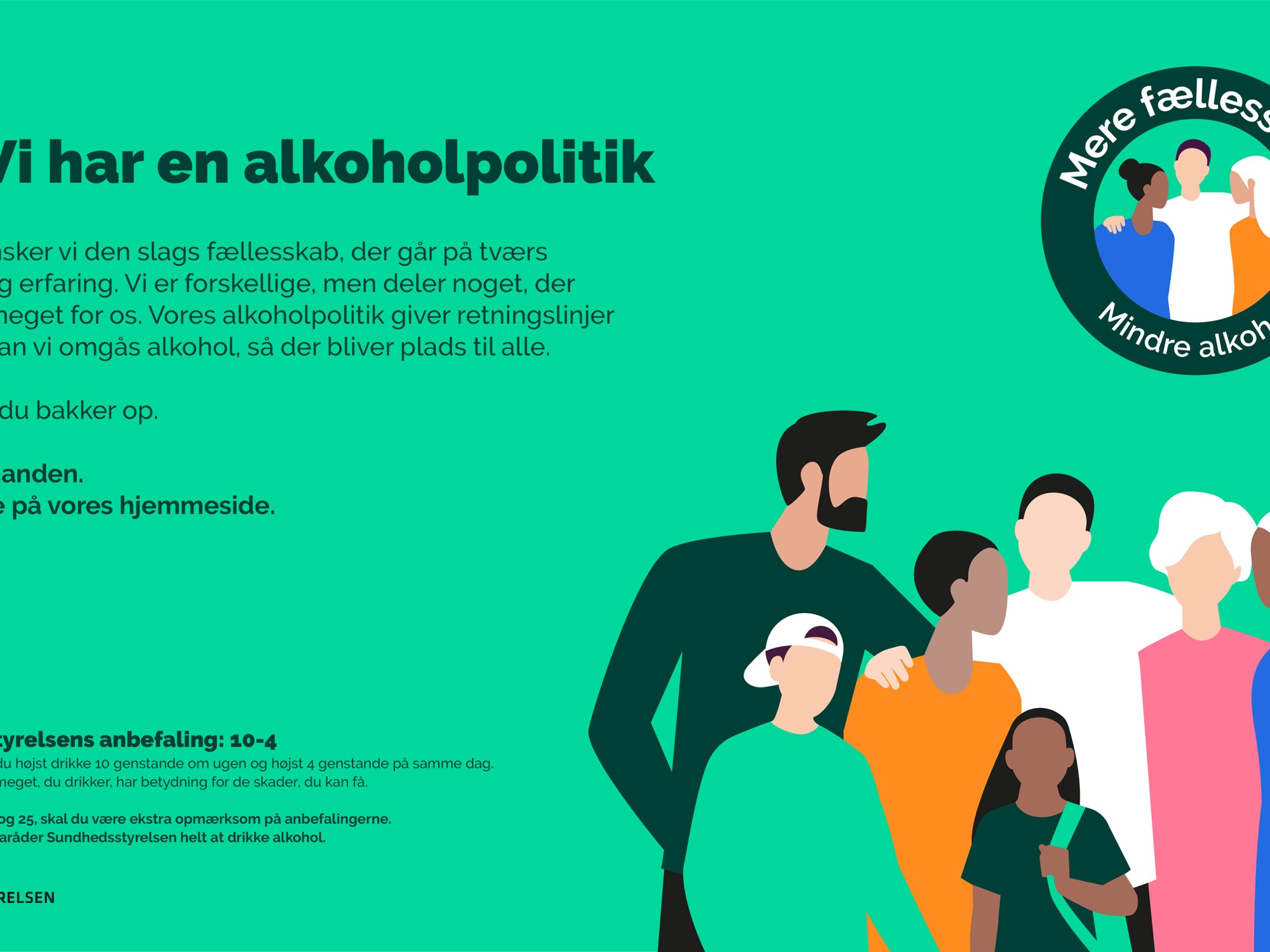
The campaign is built around a simple but important idea, more community, less alcohol. The guidance material does not only focus on rules about when alcohol may be present. It also links alcohol policy to the wider values of an association, whether that means promoting wellbeing among children and young people, strengthening sports performance, or ensuring a safe and respectful community. The package includes a step by step process for developing and implementing an alcohol policy, dilemma cards for dialogue and reflection, a draft alcohol policy, knowledge sheets, posters, videos, screen graphics and a logo that clubs can use in their own communication.
The background is clear. The knowledge material points out that 68 percent of 15 to 16-year-olds in Denmark had consumed alcohol during the past month, and that 55 percent had engaged in binge drinking during the same period in 2024. At the same time, 87 percent of young people say they want a new alcohol culture where saying no to alcohol is accepted, while 38 percent of 15 to 16-year-olds say they drink so they do not feel left out. The material also notes that around 109,000 children in Denmark grow up in families where one or both parents have an alcohol problem, underlining why environments for children and young people should be as inclusive and alcohol-light as possible.
What makes this initiative especially useful is that it also challenges some of the common arguments that often keep alcohol embedded in club life. One of the accompanying knowledge sheets pushes back against claims such as alcohol being a natural part of togetherness, that saying no to alcohol will drive young people away, or that adult drinking in clubs does not affect younger members. Instead, the material stresses that clear and safe boundaries make associations more welcoming, that adults set norms through their own behaviour, and that young people should never feel pressure to drink in order to belong. Together, the campaign offers Danish associations practical tools to turn those principles into everyday practice.
Find more from Alkohol & Samfund (Denmark, April 2026)