April has begun, and with it Alcohol Awareness Month in the United States. This year’s Alcohol Awareness Toolkit, built around the message #ProofIsInTheNumbers, is designed to help communities raise awareness about alcohol-related harms and the value of strong alcohol policy safeguards. The idea is simple, use clear, shareable messages and practical advocacy tools to help public health and prevention voices reach further during the month.
What makes this toolkit especially useful is that it is not only about social media. Alongside weekly meme-style graphics, it also offers easy-to-personalize materials such as opinion editorials, letters to legislators and proclamations, so that awareness work can move beyond online posts and into real policy discussion. It is meant for a wide range of users, from local coalitions to state public health departments and prevention coordinators, with templates that can be adapted through Canva and used throughout April.
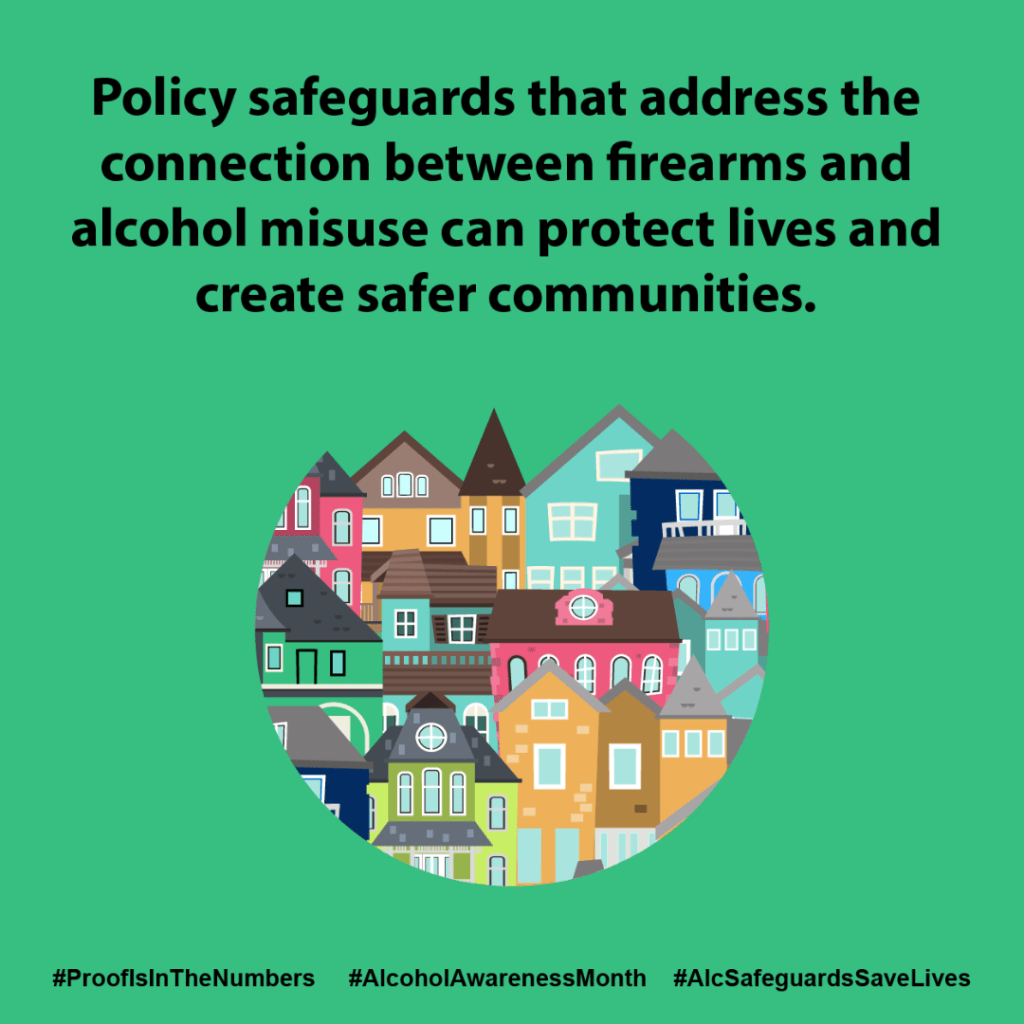
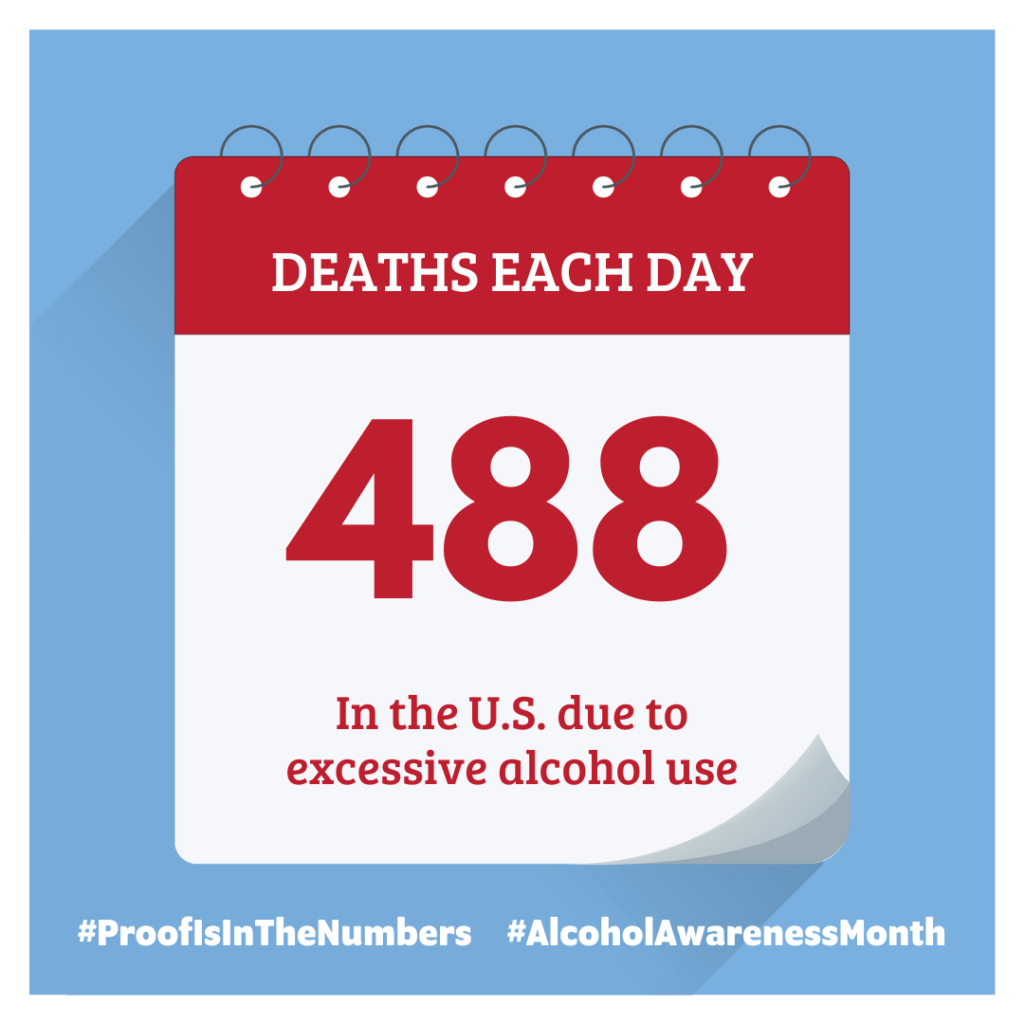
The weekly themes make clear that alcohol harm is not limited to one issue. The campaign starts with alcohol-related harms to others, including impaired driving, rising emergency room visits, preventable deaths and economic costs. It then moves into alcohol and violent crime, second-hand harms from other people’s drinking, the role of alcohol policy safeguards in reducing harm, and later also the dangerous overlap between alcohol and opioids. The message running through the whole month is that alcohol harm affects families, communities, health systems and public budgets, not only the individual drinker.
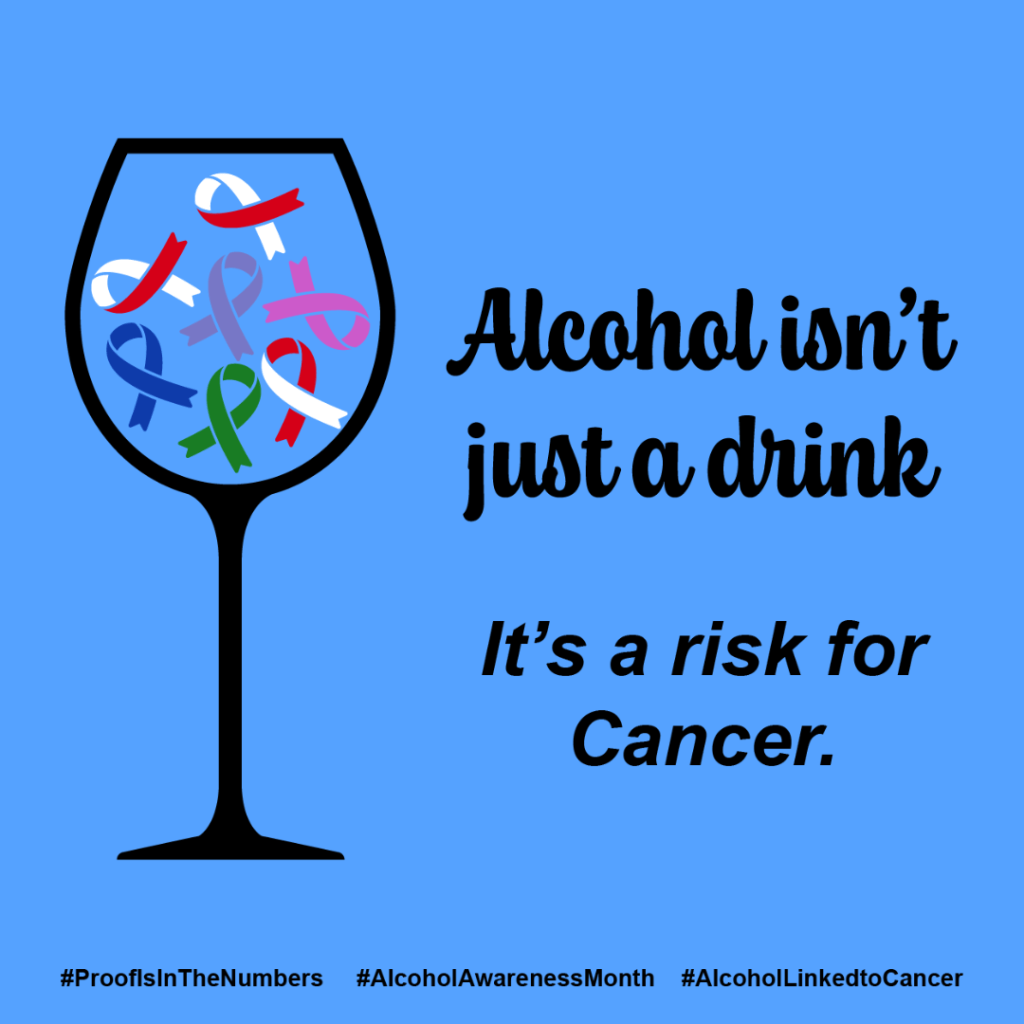
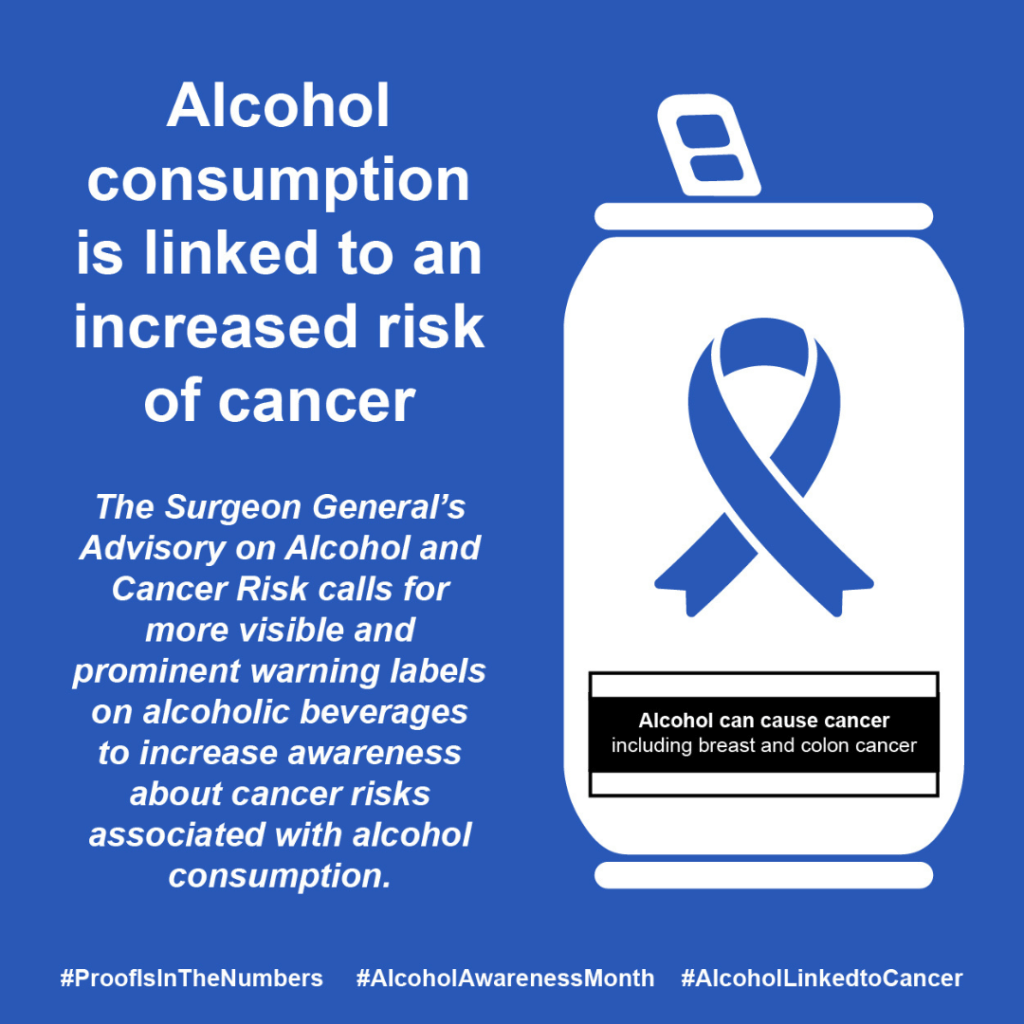
One of the strongest parts of the toolkit is its clear focus on alcohol and cancer risk, including the need for better public awareness and more visible warning labels. When awareness campaigns are tied to evidence, and when evidence is tied to policy, the discussion becomes more honest and more useful. That is where Alcohol Awareness Month can have real value, not as a symbolic observance, but as a chance to put the facts back at the centre of the conversation.
Finhd more from Prevention Technology Transfer Center (PTTC) Network (USA, April 2026)

 Alcohol Awareness