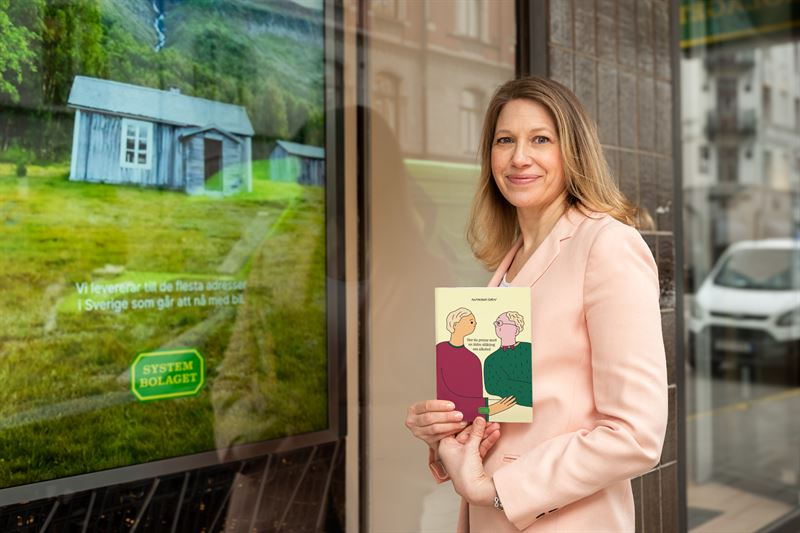
They have been called reserved, boring, and lacking even the slightest trace of a work ethic. Gen Z eats healthily, would rather be at the gym than work overtime, and drinks less than previous generations. Ahead of Easter, Systembolaget is launching Pappaparlören and encouraging young adults to have the alcohol talk with their parents and older relatives, in order to protect public health.
Alcohol consumption has declined since the early 2000s, with a particularly clear decrease among younger people. However, this trend does not apply to all age groups. Among people over 65, consumption has instead increased by around 30 percent. Against this background, Pappaparlören is now being released, a new conversation support tool that turns the traditional family dynamic on its head.
“We are seeing a clear generational shift. Young adults today generally drink less alcohol, while older people drink more than previous generations. This creates a new situation where it is no longer only parents who have the talk with their children, but where young adults can also have the conversation with their older family members,” says Karolina Dahlbeck Nobel, public health expert at Systembolaget.
Pappaparlören is aimed at young adults who want to talk about alcohol with their parents or grandparents. Instead of only adults having the alcohol talk with young people, the younger generation is now also encouraged to initiate the conversation. The ambition is to lower the threshold for talking about alcohol habits later in life as well, a subject that can be perceived as private or sensitive.
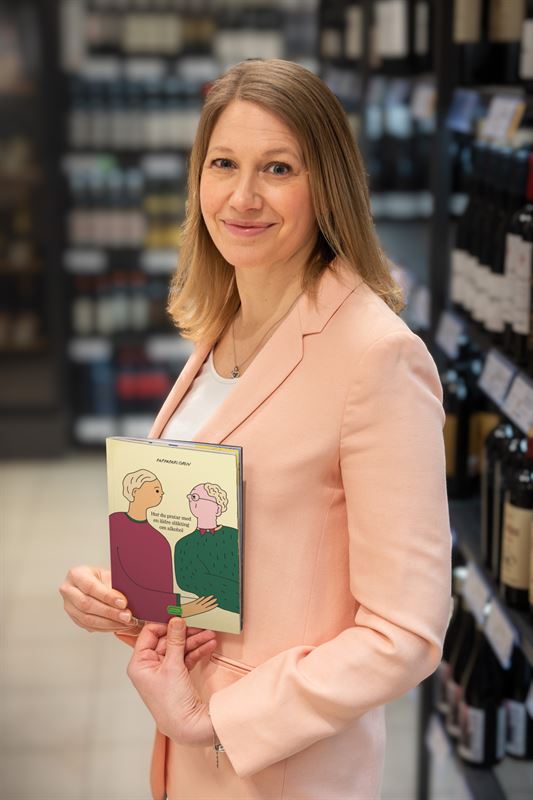
Pappaparlören is being launched ahead of Easter, a time when many people spend time with relatives and friends and when there are good opportunities for conversation.
“During Easter, many families meet across generations, and alcohol is a common feature on the Easter table. At the same time, Easter is perceived as a less emotionally charged holiday than, for example, Christmas, which is often marked by stress and high expectations. That creates good conditions for meaningful conversations,” says Karolina Dahlbeck Nobel.
She stresses that it should be a conversation in which both people speak and no one is put at a disadvantage. When the conversation takes place within the family, there is often both trust and care that can make a difference.
“The conversation should not be moralising, it is about relationships and care. A conversation often works best when the aim is to understand, not to convince. Sometimes it is enough to ask a question and then listen,” Karolina Dahlbeck Nobel concludes.
About Pappaparlören
Since 2002, Tonårsparlören has made it easier to talk about alcohol between parents and teenagers. Now, for the first time, Systembolaget is launching Pappaparlören, aimed at young adults who want to talk about alcohol with their parents or older relatives.
Tips for a good conversation
Approach the conversation with curiosity. Be genuinely interested in how your parent is thinking. A conversation often works best when the aim is to understand, not to convince.
Start with something concrete. It may be easier to begin with something outside yourselves, for example something you have read, heard, or discussed with others.
Be present in the moment and listen more than you speak. Put your phone away and see it as an opportunity to get to know a new side of your parent. Sometimes it is enough to ask a question and then listen.
See it as a conversation, not a discussion. The point is not to decide who is right or wrong. It can be a valuable starting point simply to hear how your parent is thinking.
How older people’s alcohol consumption has changed
Increased by 30 percent. Consumption is generally falling, but it is increasing among older people. Among those over 65, consumption has risen by around 30 percent since the early 2000s.
Women’s alcohol consumption has increased the most. Men still drink more than women, but the gap between the sexes has narrowed over time.
The decline happens later in life. Twenty years ago, drinking started to decrease already around the age of 50, but today it does not begin to fall until people are in their 70s.
Often, but less per occasion. Older people drink more often than younger people. People in the oldest age group report drinking almost six times a month on average, compared with almost three times among the youngest age group.
Most people drink moderately. The fact that older people drink more than previous generations does not mean that everyone does, most have moderate habits. At the same time, the body changes with age and becomes more sensitive to alcohol.
Pappaparlören is available at omsystembolaget.se/pappaparloren (Sweden, March 2026)
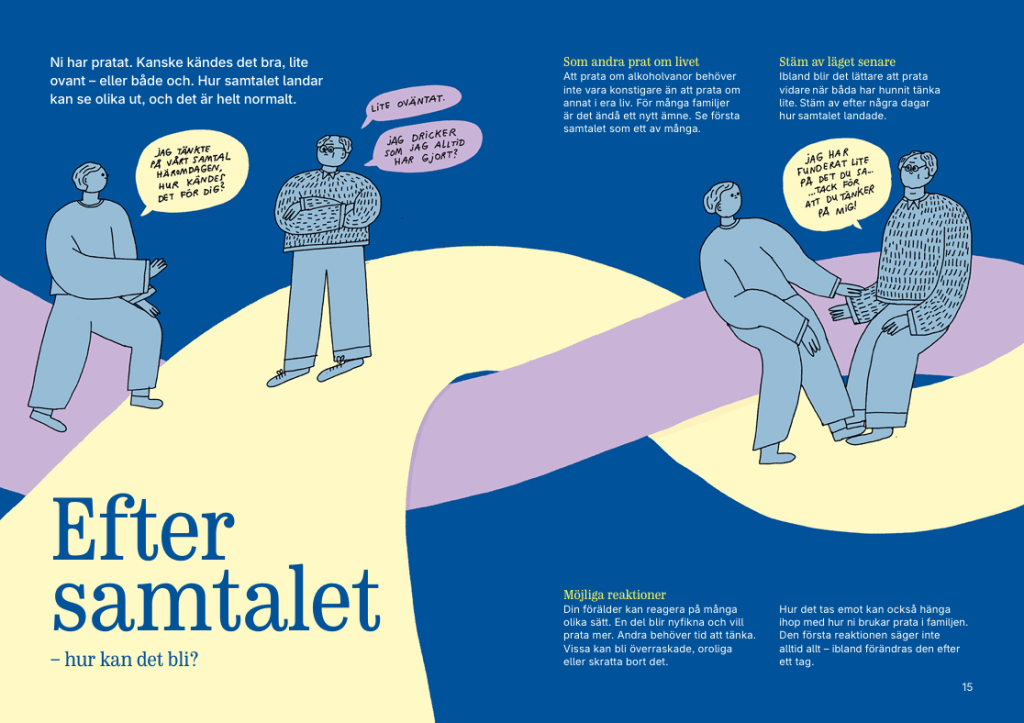
 Alcohol Awareness