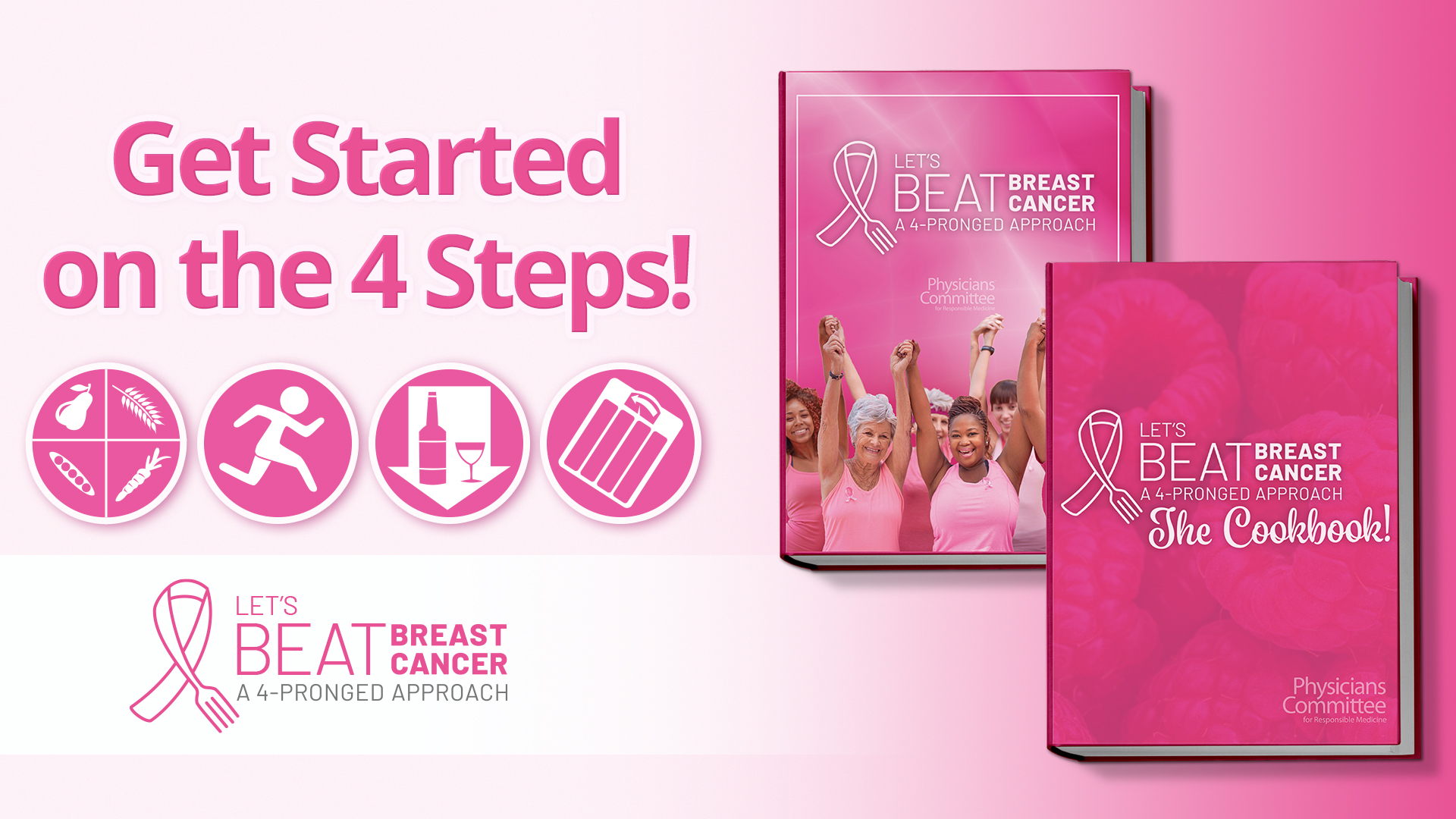
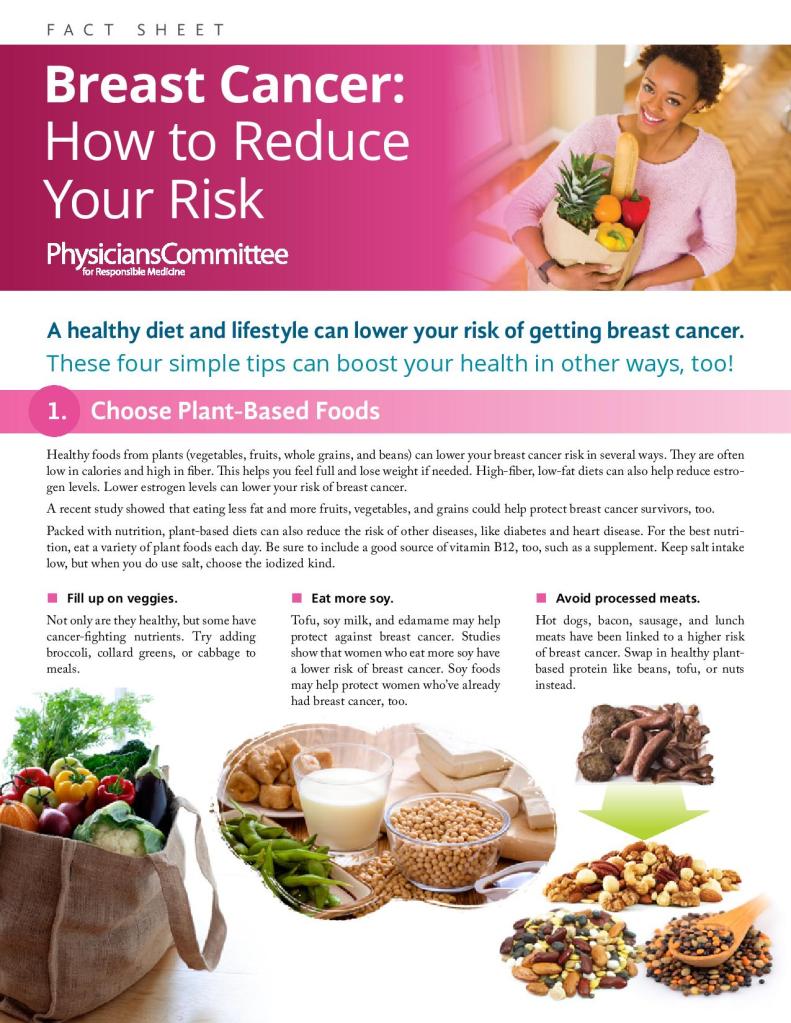
The Let’s Beat Breast Cancer campaign, led by the Physicians Committee for Responsible Medicine, is reaching communities worldwide this Breast Cancer Awareness season. From the United States to Mexico and France, rallies will bring together survivors, health professionals, and local leaders to share the message of prevention. With support from city mayors and major health organizations, the initiative promotes a four-part strategy backed by research: eat a plant-based diet, exercise regularly, limit alcohol, and maintain a healthy weight. The campaign makes prevention practical and visible with free events, cooking resources, survivor stories, and fitness classes.
Breast cancer continues to affect women across all communities, with the National Cancer Institute noting that one in eight women in the United States will develop the disease in their lifetime. Research also shows significant disparities, with Black women experiencing higher death rates. The campaign’s focus on lifestyle interventions offers a concrete way for individuals to reduce their risk, while also calling attention to broader health equity issues. Prevention strategies endorsed by the American Medical Association highlight how doctors and health systems can play a role in supporting patients with everyday choices that have long-term impacts.
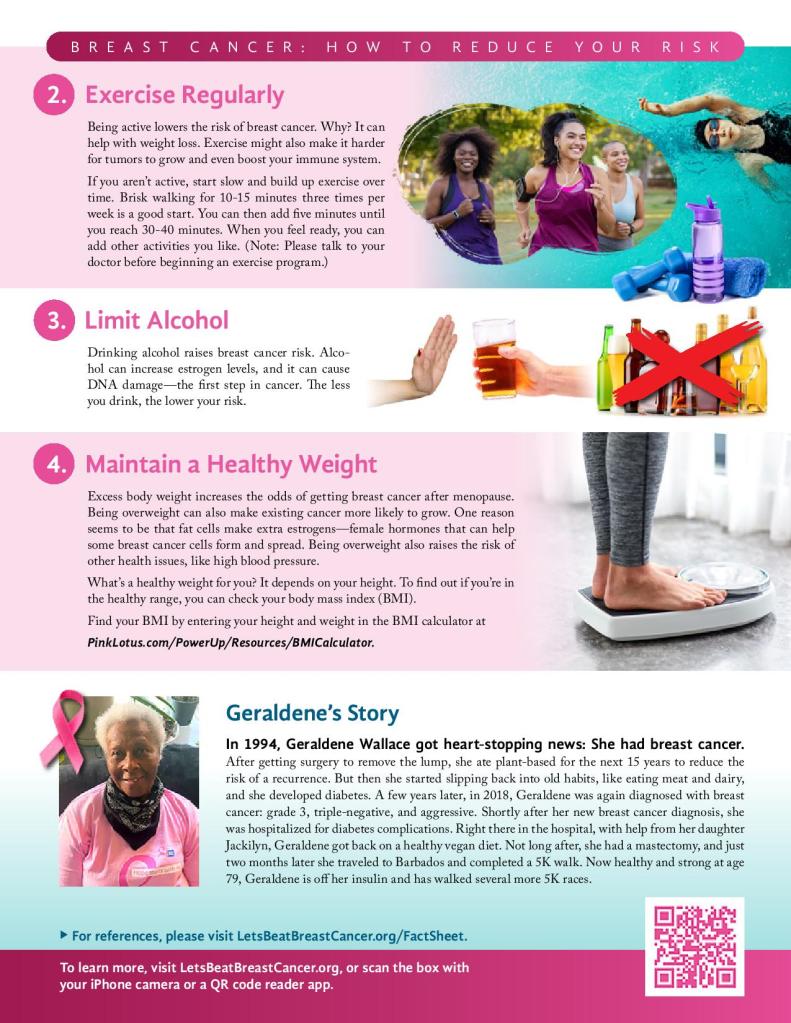
Alcohol use is one of the risk factors highlighted in the campaign’s message. Studies, including those published in the British Medical Journal, show that even modest drinking raises breast cancer risk. Just one daily drink has been linked to a 13 percent increase in risk for women. These findings build on a growing body of evidence pointing to alcohol’s role in cancer development, alongside better-known factors like poor diet and lack of physical activity. By including alcohol in its four-pronged prevention approach, the campaign emphasizes that lowering or avoiding alcohol intake is a practical and effective step in breast cancer prevention.
What makes the Let’s Beat Breast Cancer campaign stand out is its balance of evidence and action. Scientific data from the National Cancer Institute, Centers for Disease Control and Prevention, and American Institute for Cancer Research is translated into accessible resources, tools, and community events. People can join the campaign online, gain access to recipes, cookbooks, and guides, and become part of a global network pushing prevention to the forefront. This collective effort shows that reducing breast cancer risk is not just about individual behavior, but about creating environments where healthier choices, including reducing alcohol use, are visible, supported, and celebrated.
Find more from https://www.pcrm.org/letsbeatbreastcancer (USA, September 2025)
 Alcohol Awareness