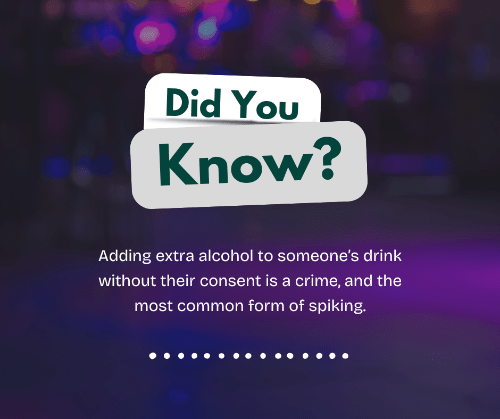
As students across the UK begin their Freshers’ Week, police forces are stepping up efforts to raise awareness about the threat of drink and needle spiking. Both North Yorkshire Police and Hampshire Constabulary have launched campaigns this week as part of a national Spiking Intensification Week, aiming to give students the knowledge and confidence to stay safe, look out for their friends, and report incidents early. These initiatives are timed to coincide with the start of the academic year when many young people are out enjoying the night-time economy.
Spiking remains a serious but under-reported crime. National data from 2022 showed police received an average of 561 reports per month, but surveys suggested far higher prevalence, with one in ten women and one in twenty men saying they had been spiked. Hampshire police alone recorded 169 cases between September 2024 and August 2025, most of them suspected drink spiking. Victims are often young, with an average age of 26, and the majority of cases take place in bars and nightclubs. Importantly, while spiking can lead to serious offences such as theft, sexual assault, and rape, most recorded incidents do not result in a secondary crime.
Both forces stress that spiking is not always linked to “date rape” drugs, which are often the focus of public attention. In reality, many cases involve alcohol, cocaine, or ketamine, making some self-test kits unreliable since they only detect a narrow range of substances. Officials are urging people not to place full trust in such kits, as they can give false reassurance, and instead to seek immediate medical and forensic testing through police channels if they suspect spiking. Early reporting is vital since substances pass quickly through the body, making evidence harder to collect.
Myth-busting is a central part of these campaigns. Victims are not to blame, regardless of how much they have drunk, and perpetrators are not always strangers but may be friends or acquaintances. Police have also made clear that people will not face punishment for reporting spiking even if they have knowingly consumed illegal drugs, unless they were driving. This message is designed to remove barriers to reporting and ensure victims come forward without fear of being judged or criminalised.
Finally, police and community partners are promoting practical safety measures. Students are being reminded to buy their own drinks, keep them in sight, avoid accepting drinks from strangers, and use schemes like “Ask for Angela” in bars if they feel unsafe. Officers are working closely with universities, licensed premises, and community safety hubs, even deploying covert tactics to deter predatory behaviour. The message is clear: spiking is an abhorrent crime, punishable by up to ten years in prison, and police forces across the country are committed to tackling it so that students can enjoy their nights out without fear.
Find more from North Yorkshire Police (UK, September 2025)
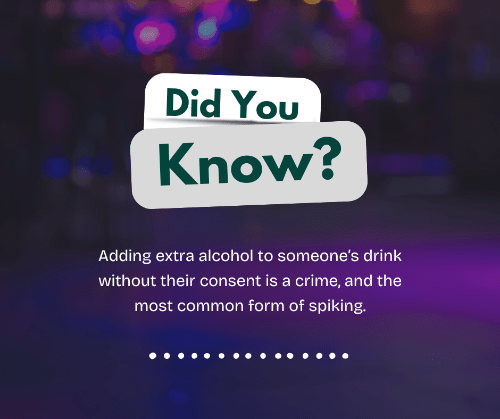
 Alcohol Awareness