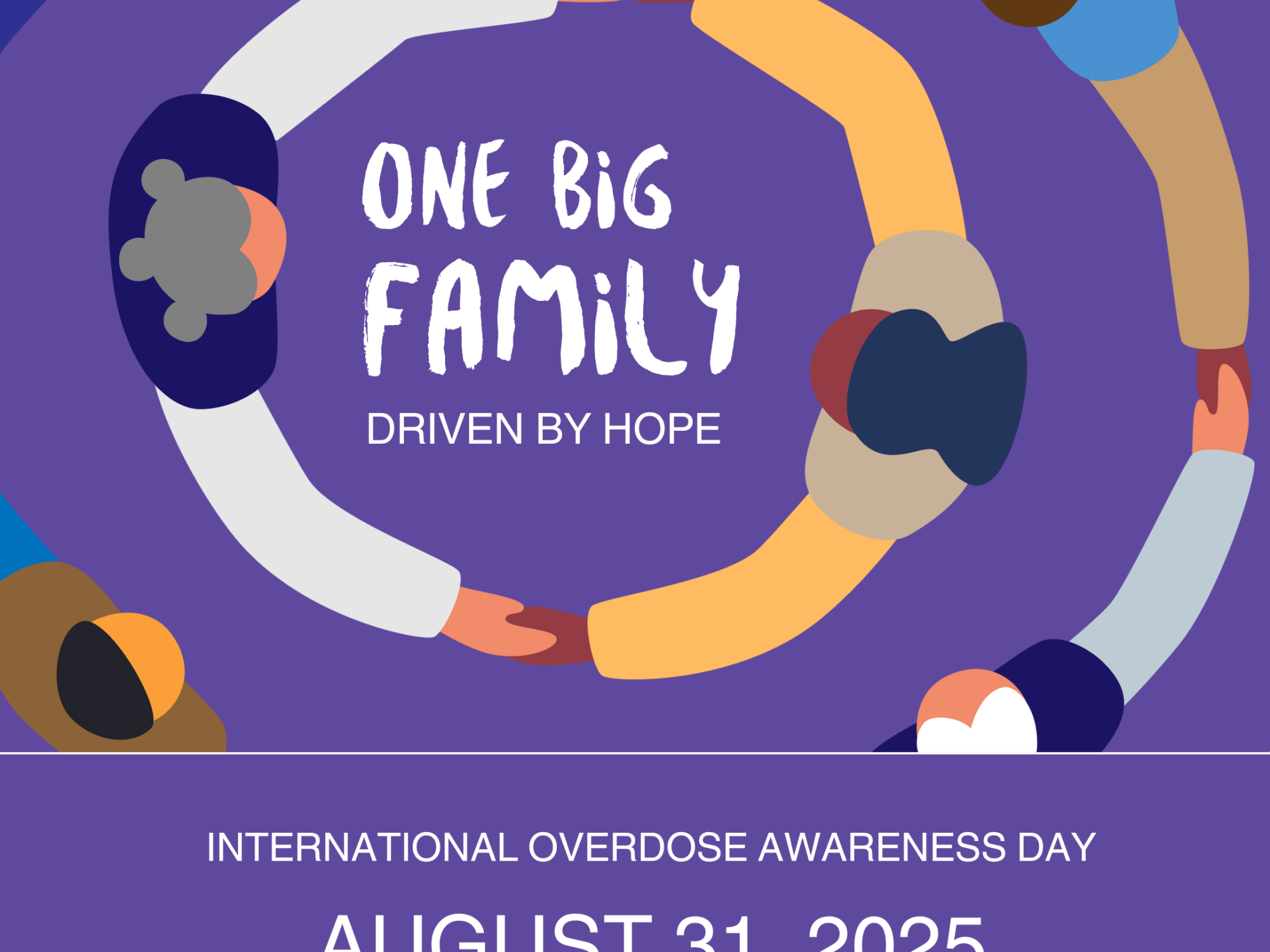
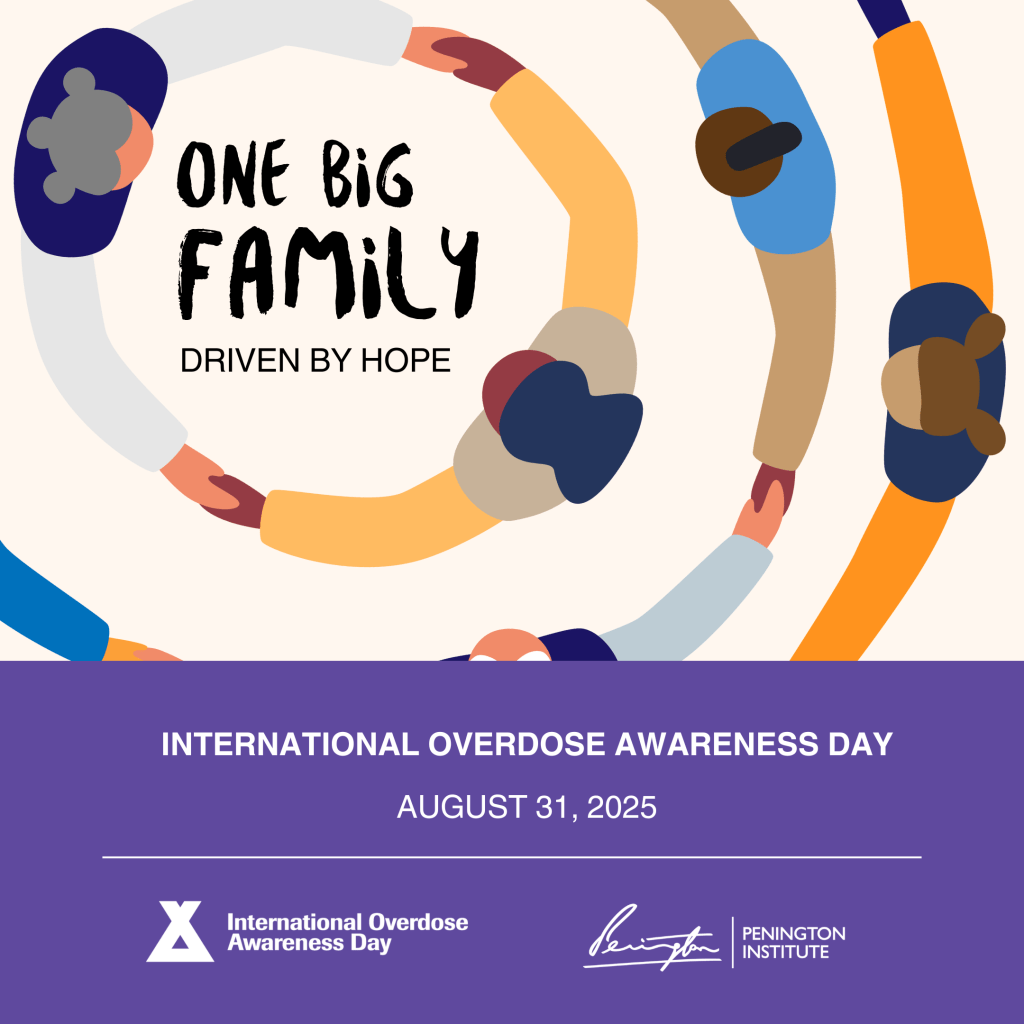
Every year on August 31, communities around the world pause to mark International Overdose Awareness Day. It is the largest global campaign dedicated to ending overdose, and it has grown into a movement spanning more than 40 countries. This year’s theme, One big family, points to a truth that sits at the heart of the crisis: overdose is not confined to individuals. It affects families, neighborhoods, schools, and workplaces, leaving gaps that ripple far beyond a single loss.
The numbers tell part of the story. In many countries, overdose deaths have risen sharply in recent years, driven by opioids, synthetic drugs, and a lack of timely treatment. Behind each statistic is a person with dreams and loved ones, and a family learning to live with absence. Overdose is preventable, yet prevention too often comes too late or not at all. The day serves as a reminder that solutions exist, from harm reduction services to access to health care, and that governments and communities must do more to put them in place.
But International Overdose Awareness Day is not only about numbers and policies. It is also a space for people to gather, remember, and share. Candlelight vigils, marches, and community events create moments where grief is acknowledged publicly, and where those who feel isolated in their loss find connection. In those spaces, the idea of one big family becomes real: people united not by blood, but by compassion and a shared determination to stop further deaths.
The campaign is convened by Penington Institute, but its strength lies in local action. From small towns to major cities, communities are using the day to both mourn and mobilize. The message is clear: no one should carry this grief alone, and no society should accept overdose as inevitable. As the purple ribbons of IOAD are worn this weekend, they symbolize both remembrance and resolve, a commitment to imagine and build a future without overdose.
Find more from IOAD 2025 (August 2025)
 Alcohol Awareness