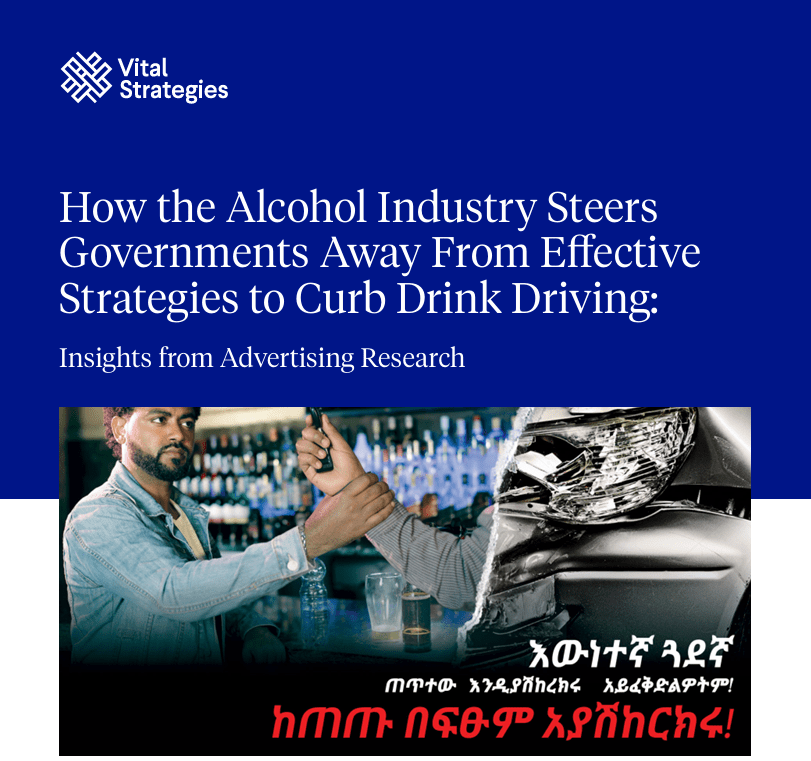
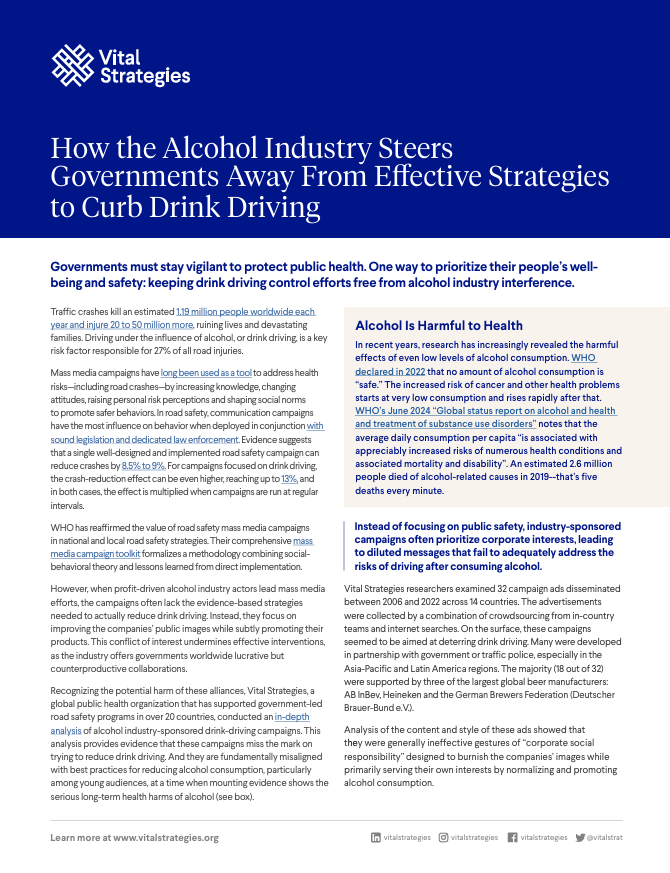
A research analysis from Vital Strategies exposes how alcohol industry-sponsored drink-driving campaigns consistently fail to align with public health best practices. Instead of reducing alcohol-impaired driving, these campaigns are often crafted to serve corporate interests—bolstering brand image and subtly promoting alcohol consumption. Despite alcohol’s proven role in increasing crash risk and contributing to over 2.6 million deaths annually, industry-funded ads routinely downplay the consequences of drink driving.
The study reviewed 32 advertisements aired across 14 countries between 2006 and 2022. The majority were backed by major global beer brands such as Heineken, Budweiser, and the German Brewers Federation. Researchers found that these campaigns lacked critical elements proven to influence behavior: they often avoided depicting real crash consequences, used vague slogans like “drink responsibly,” and glamorized alcohol consumption through upbeat imagery, celebrity endorsements, and party scenes.
By contrast, campaigns developed independently of the alcohol industry—such as São Paulo’s impactful “Never Drink and Drive” campaign—combine emotional storytelling, clear calls to action, and legal enforcement, leading to measurable reductions in drink-driving incidents. In São Paulo, the rate of intoxicated drivers dropped from 0.6% to 0.23% within a year of such an effort, supported by strict enforcement and emotionally resonant media.
The report warns that partnerships between governments and alcohol producers present a clear conflict of interest. Rather than discouraging drink driving, many of these campaigns normalize alcohol as a central part of social life. Some even contradict their own safety messages, for instance, concluding with celebratory images of drinking despite promoting abstinence from alcohol while driving.
Vital Strategies urges policymakers to break away from alcohol industry partnerships and commit to evidence-based road safety campaigns. Publicly funded, independently designed campaigns that follow WHO guidance and draw from social-behavioral research have a demonstrable impact on saving lives. As the report concludes, protecting road users starts with removing those who profit from alcohol from public safety efforts.
Find more from Vital Strategies (USA, 2024)
https://embed.bsky.app/static/embed.jsThis new @forbes.com article spotlights our research on alcohol industry-sponsored drink driving ads. While they may look like they're doing a public service, they often undermine safety efforts and promote alcohol use instead. More from Tanya Mohn: vitalstrat.org/3Rx42A8 #DrinkDriving
— Vital Strategies (@vitalstrategies.org) April 24, 2025 at 7:17 PM
[image or embed]
 Alcohol Awareness