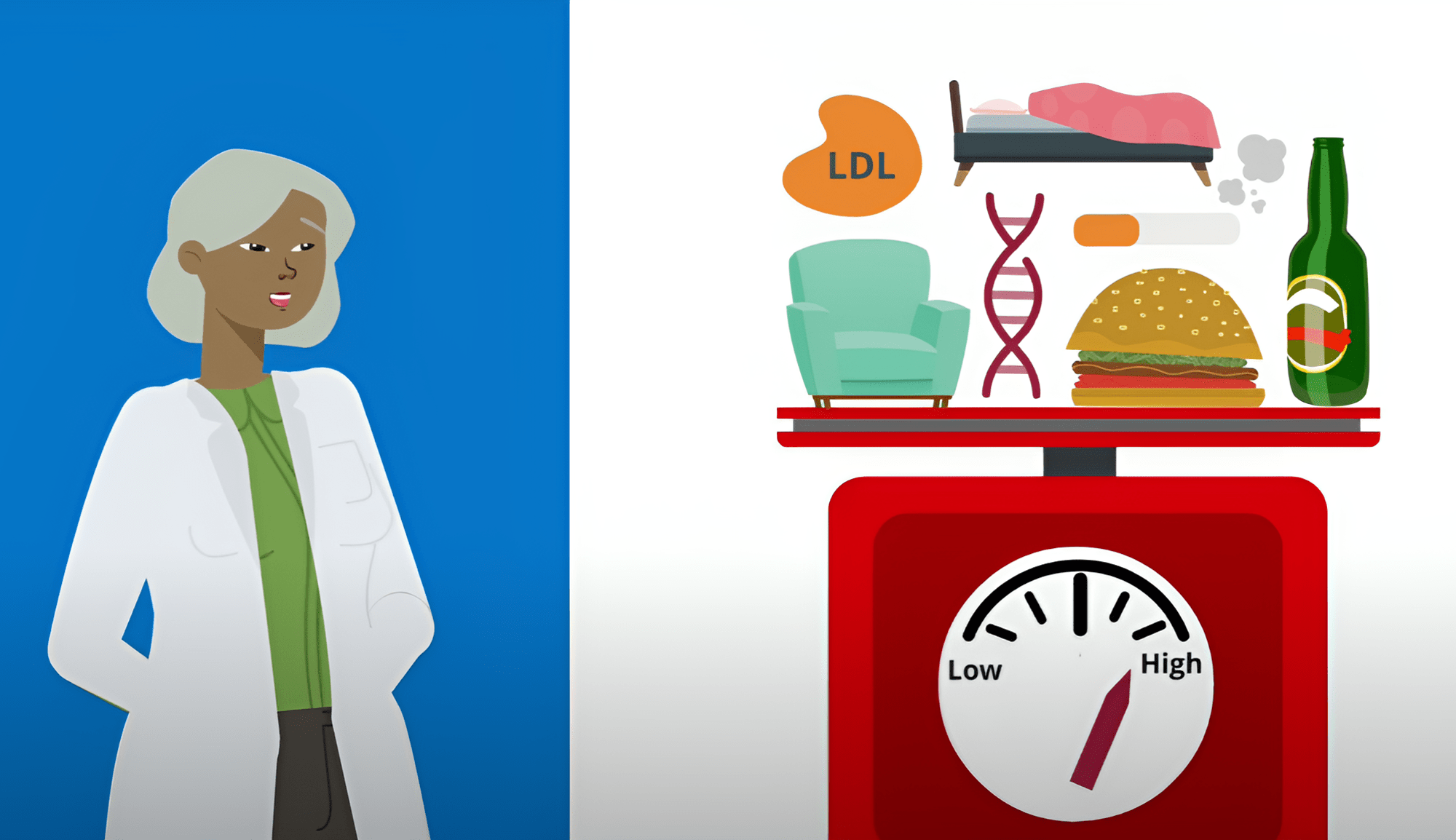
St. Joseph’s Health Care London highlights the often-overlooked connection between alcohol use and heart disease in their educational video. While many people recognize smoking or poor diet as key cardiovascular risk factors, alcohol consumption can also quietly undermine heart health. Regular drinking raises blood pressure, contributes to stiffening of the arteries, and can even weaken the heart muscle over time—a condition known as alcohol-induced cardiomyopathy. Binge drinking, on the other hand, may lead to irregular heart rhythms, further stressing an already vulnerable system.
The video also references the updated guidance from the Canadian Centre on Substance Use and Addiction: zero drinks per week is considered the lowest risk for health, while one to two drinks weekly is classified as low risk. However, drinking three or more standard drinks a week increases the likelihood of alcohol-related harms, including cancer and cardiovascular disease. Once consumption exceeds seven drinks per week, the risks become significantly higher, particularly for heart disease and stroke.
Fortunately, alcohol is a risk factor that can be changed. The video encourages individuals to reflect on their own drinking habits and consider making small, manageable adjustments—such as spacing drinks out, choosing non-alcoholic alternatives, or having open conversations with loved ones about alcohol use. If concerned, reaching out to a cardiac rehab team, family doctor, or local support services is a constructive first step. As the video emphasizes, even small changes can have a lasting positive effect on heart health.
Find more from St. Joseph’s Health Care London (UK, April 2025)
 Alcohol Awareness