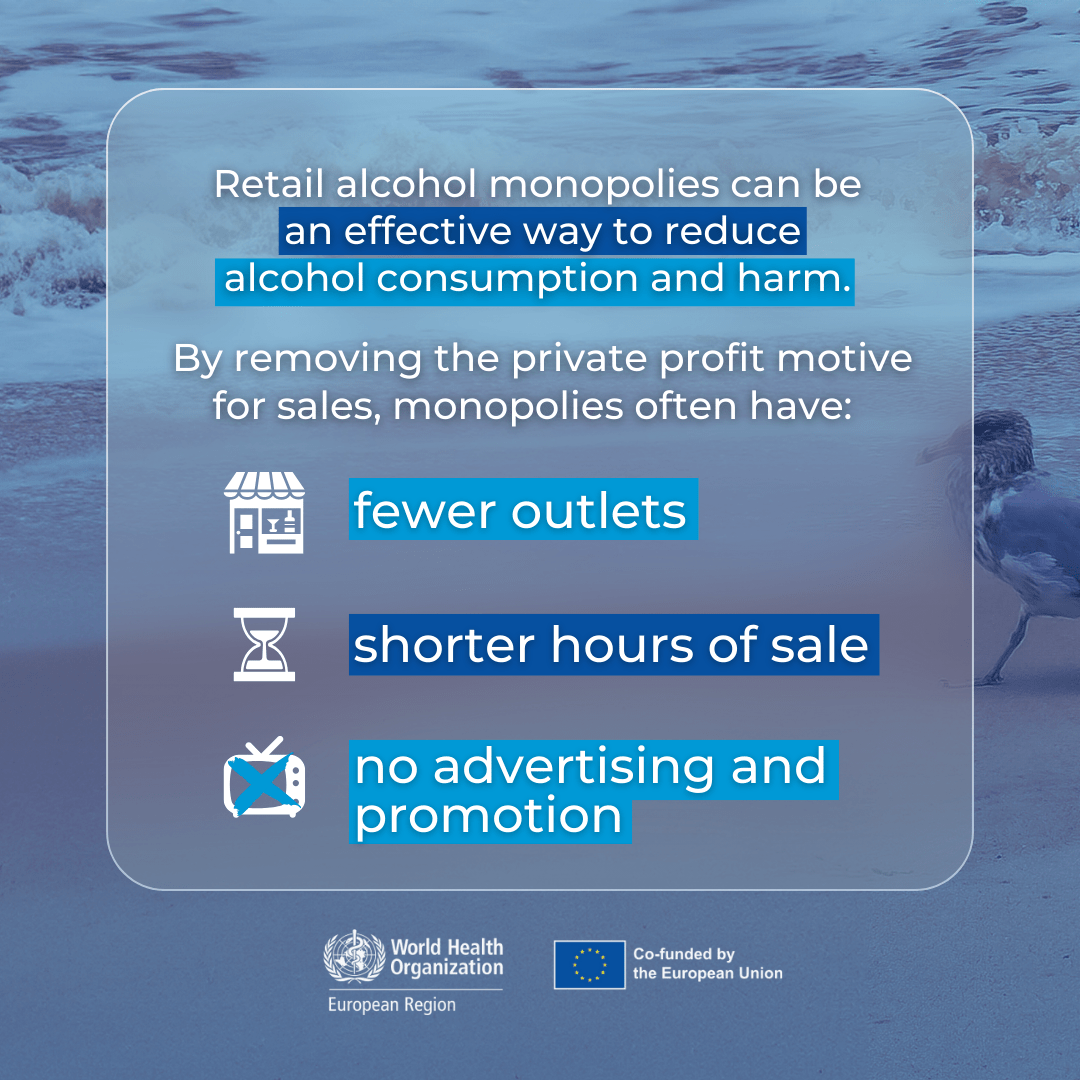
WHO/Europe has released a new report highlighting the Nordic alcohol monopolies as an effective model for reducing alcohol consumption and harm. Unlike commercial alcohol sales systems, these state-owned monopolies operate with a public health mandate, restricting availability and limiting the influence of private profit interests. Countries like Finland, Iceland, Norway, Sweden, and the Faroe Islands have maintained relatively low alcohol consumption levels, despite being part of a region historically known for heavy drinking and related harms.
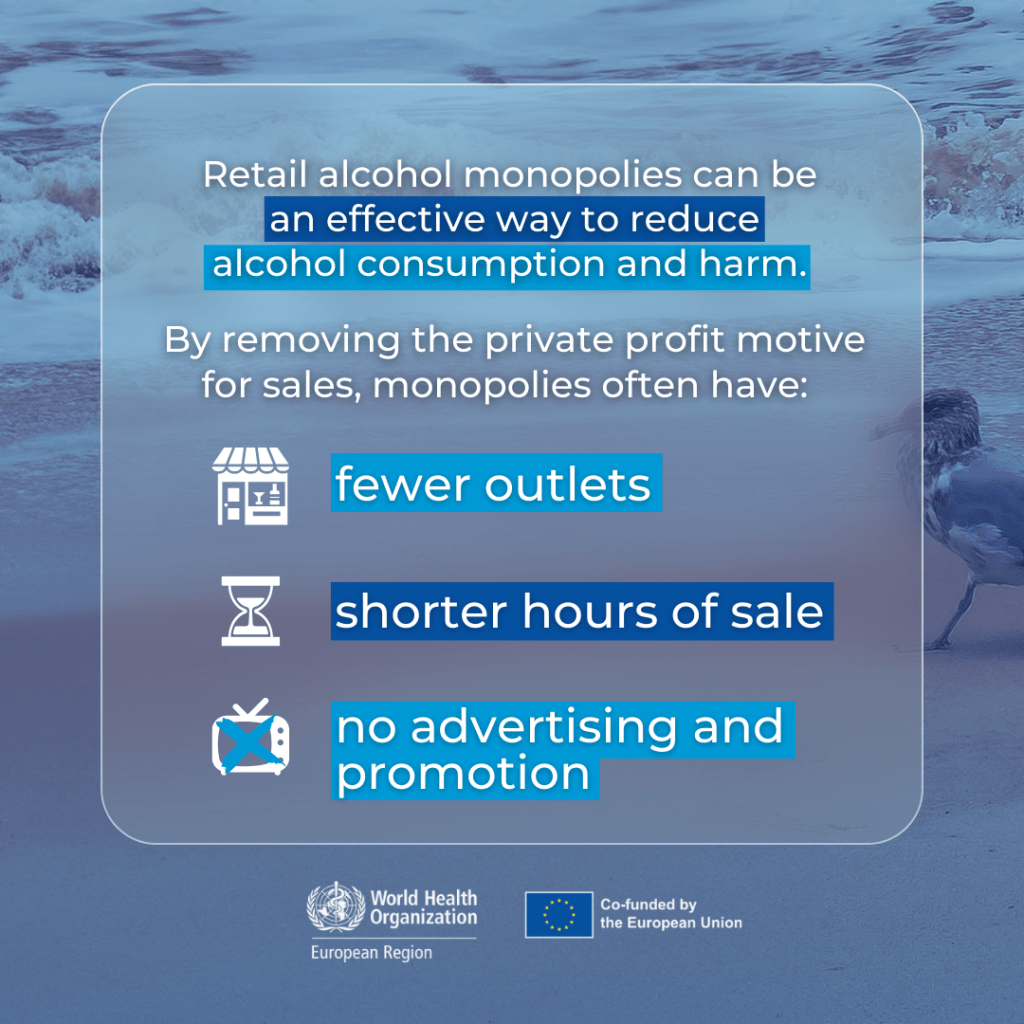
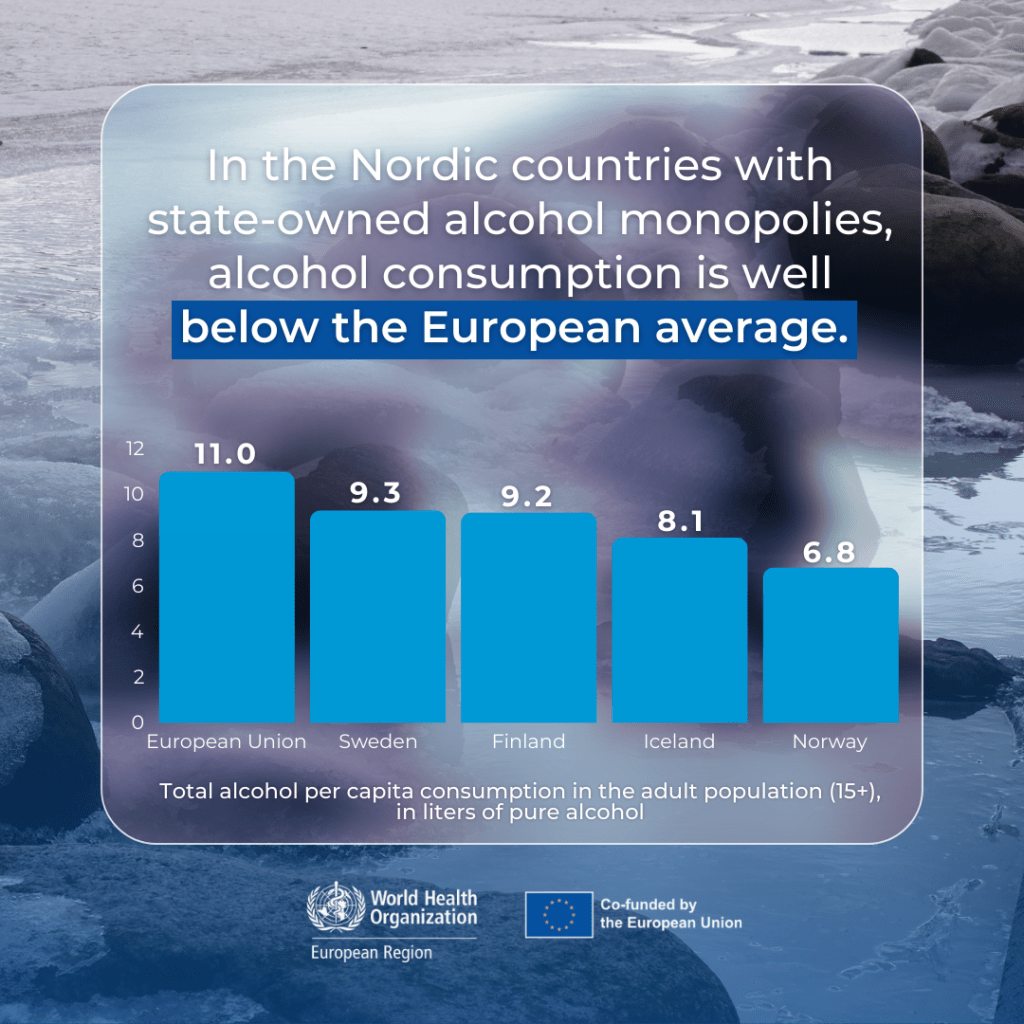
The report emphasizes that these monopolies help reduce alcohol-related health issues by implementing strict sales regulations, including controlled outlet numbers, limited operating hours, enforced age restrictions, and a ban on alcohol marketing and discount pricing. WHO/Europe highlights that Nordic countries with state-owned alcohol retail have lower per capita consumption and fewer alcohol-attributable harms compared to the EU average. The public health-first approach stands in contrast to privatized alcohol sales, which tend to increase consumption.
However, this model is under threat. In Finland, legislative changes have allowed more alcohol sales outside the monopoly system, with discussions on expanding home deliveries. In Sweden, a legal challenge to Systembolaget’s online monopoly and proposals to permit farm sales are raising concerns about further deregulation. WHO/Europe warns that such changes risk reversing decades of public health progress, citing past examples where privatization led to increased consumption and harm.
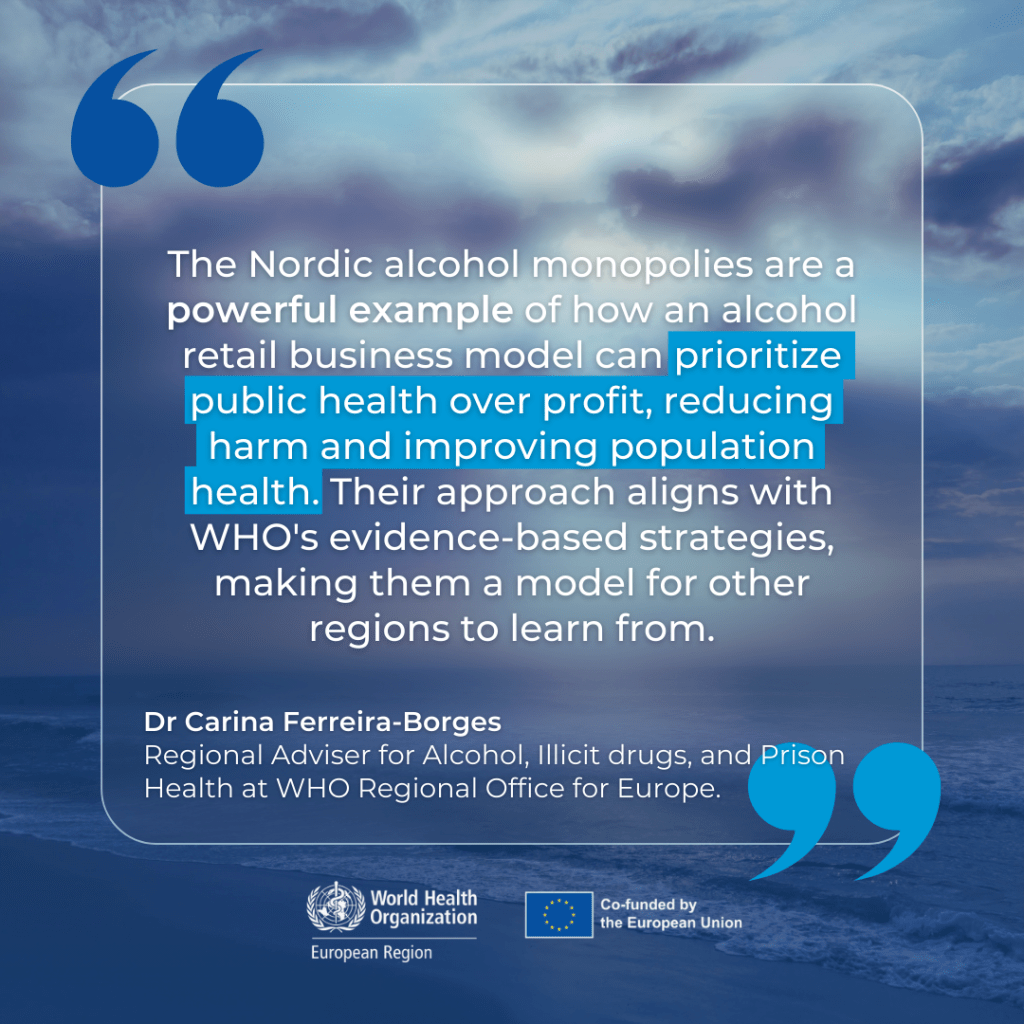
Despite mounting pressures, WHO/Europe urges governments to uphold the principles of the Nordic alcohol monopoly model, which aligns with WHO’s best-buy policies for alcohol control. These strategies—raising prices through taxation, restricting availability, and banning advertising—are among the most effective measures to reduce alcohol-related harm. The report calls on policymakers to resist privatization efforts and prioritize public health over commercial interests to safeguard the benefits of controlled alcohol sales.
Find more from WHO Europe (February 2025)
- Full report: Nordic alcohol monopolies: understanding their role in a comprehensive alcohol policy structure and public health significance
- Summary of the report: Nordic alcohol monopolies: executive summary

 Alcohol Awareness