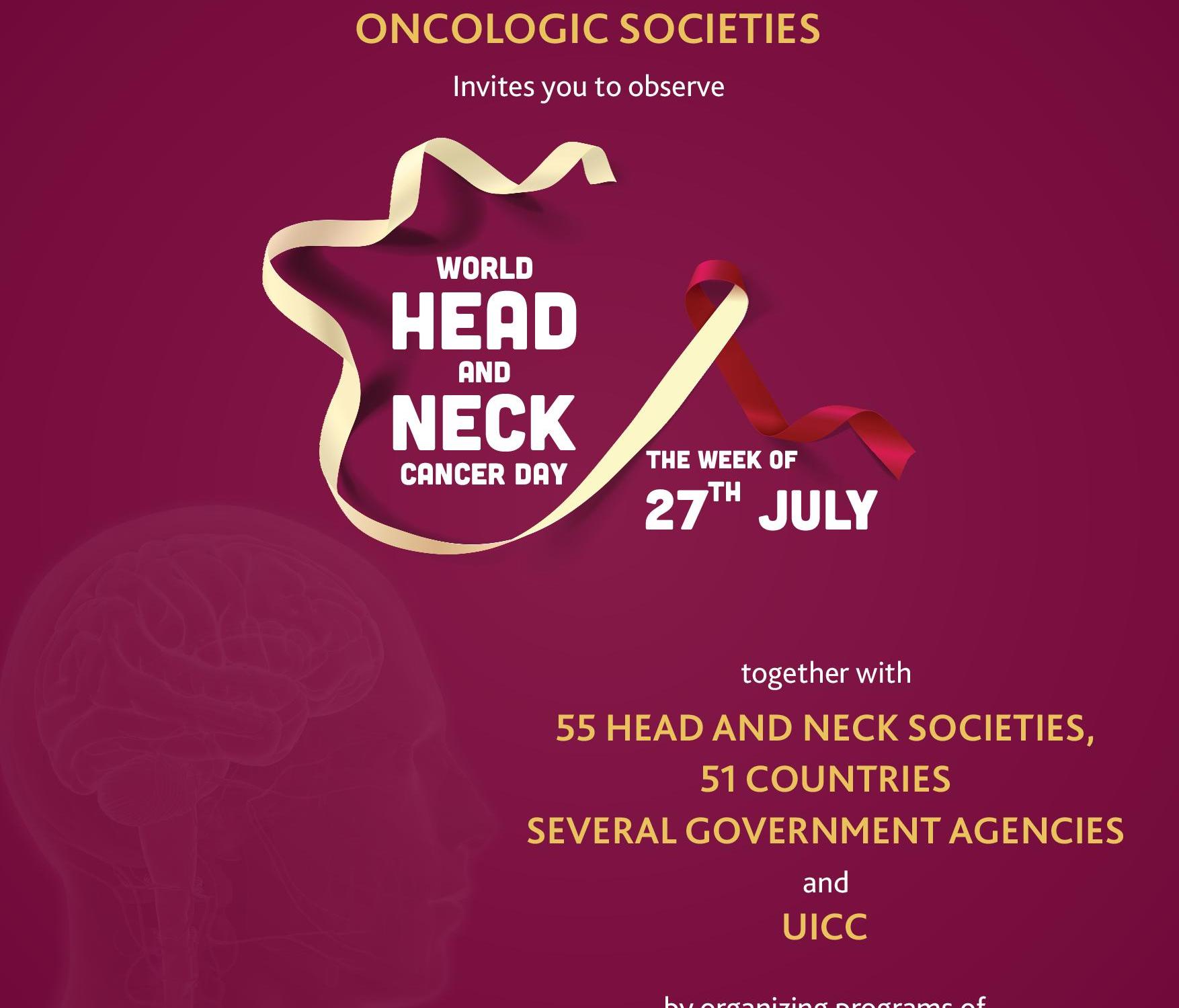
This past weekend, on July 27, 2024, the world observed World Head and Neck Cancer Day, an initiative led by the International Federation of Head and Neck Oncology Societies (IFHNOS). The organization, formed through the collaboration of national and regional societies and organizations, aims to raise awareness about head and neck cancers, emphasizing prevention, early detection, and effective treatments. The day featured a variety of events, including educational seminars, public health campaigns, and free screening programs, all designed to enhance public understanding and encourage proactive health measures.
One of the key highlights of this year’s observance was the significant role of smoking and alcohol consumption as primary risk factors for head and neck cancers. Despite the severe health implications, many patients continue to smoke and drink alcohol even after a cancer diagnosis. An observational retrospective study presented during the event revealed that among patients with head and neck cancer, 35.80% continued smoking and 65.52% continued drinking alcohol after their diagnosis. This behaviour is often attributed to factors such as unawareness, depression, or addiction. However, the study also found that most patients reduced their smoking and alcohol consumption following their diagnosis, particularly those undergoing more invasive treatments.
The overarching message of World Head and Neck Cancer Day emphasises the importance of comprehensive care that addresses both physical and mental health. The psychological impact of a cancer diagnosis and its subsequent treatment is profound, influencing patients’ ability to make healthier lifestyle choices. The findings from the study suggest that providing robust psychological support can significantly aid in reducing harmful behaviours such as smoking and drinking. By highlighting these aspects, IFHNOS aims to inspire individuals worldwide to adopt healthier lifestyles and seek regular medical check-ups to mitigate the risks associated with head and neck cancers.
Find more from International Federation of Head and Neck Oncology Societies (IFHNOS) (July 2024)
 Alcohol Awareness