
Brest, a city in northwestern France, is actively preventing alcohol-related risks. The city provides professionals with a variety of tools, including posters, short films, educational modules, and webinars, to address addictive behaviours, particularly those related to alcohol consumption. The initiative focuses on limiting excessive behaviours and risks associated with psychoactive substance use and other addictive practices, such as tobacco, illicit drugs, and gambling.
Festivities and conviviality: with or without alcohol?
The “Brest alcohol plan” seeks to challenge collective behaviours and habits that normalize alcohol consumption and pressure individuals to drink. A recent Ligue Contre le Cancer survey revealed that 55% of French people find it difficult to abstain from drinking at social gatherings with friends, and 51% feel the same at family meals. Additionally, a 2021 survey by the Brest University Hospital found that 32% of respondents felt they drank too much, and 16% struggled to control their consumption.
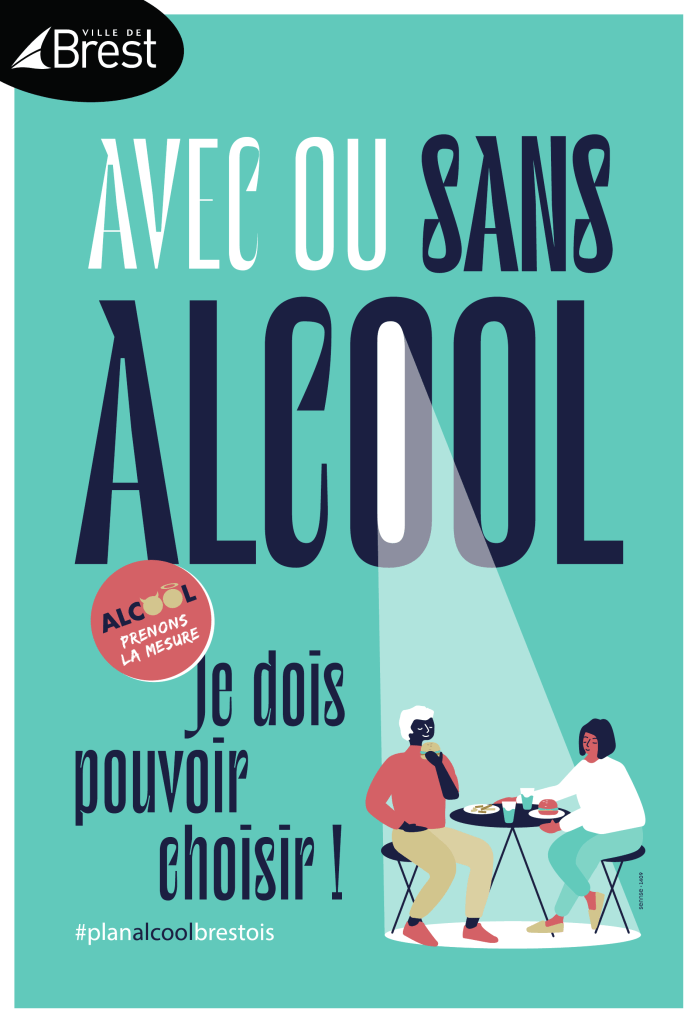
To address these issues, Brest has launched a communication campaign promoting the freedom to choose not to drink alcohol. The campaign aims to reduce social pressure and support individuals in confidently asserting their choice to abstain. The objective is to normalize the idea that not consuming alcohol at social events is acceptable and should not be questioned or judged.
Alcohol risk prevention module
To tackle alcohol-related risks among youth, Brest offers an educational module designed for young people. This module is part of the city’s health and public safety policies and aims to prevent and reduce risks in festive settings, particularly those associated with psychoactive substances like alcohol.
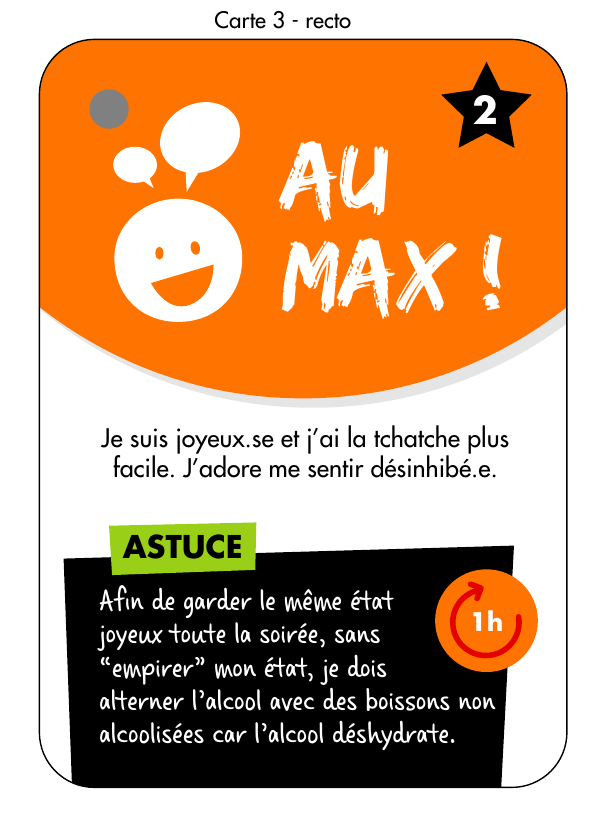
The 90-minute session can be facilitated by young people themselves through peer prevention dynamics or by Brest’s urban mediators team. The program encourages participants to discuss best practices for risk reduction, using the short film “La Dernière Soirée” (produced by the TGB association with a youth group from FJT Amitiés d’Armor) as a starting point for discussion.
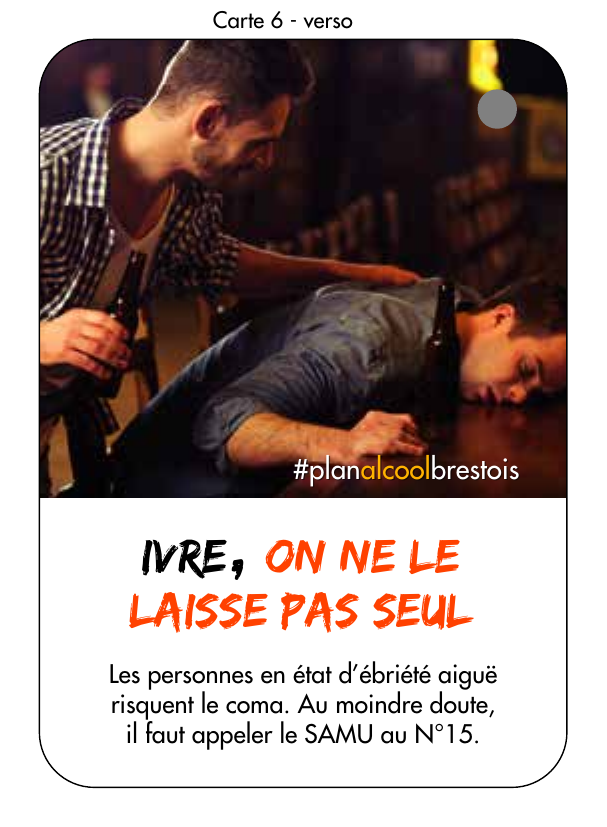
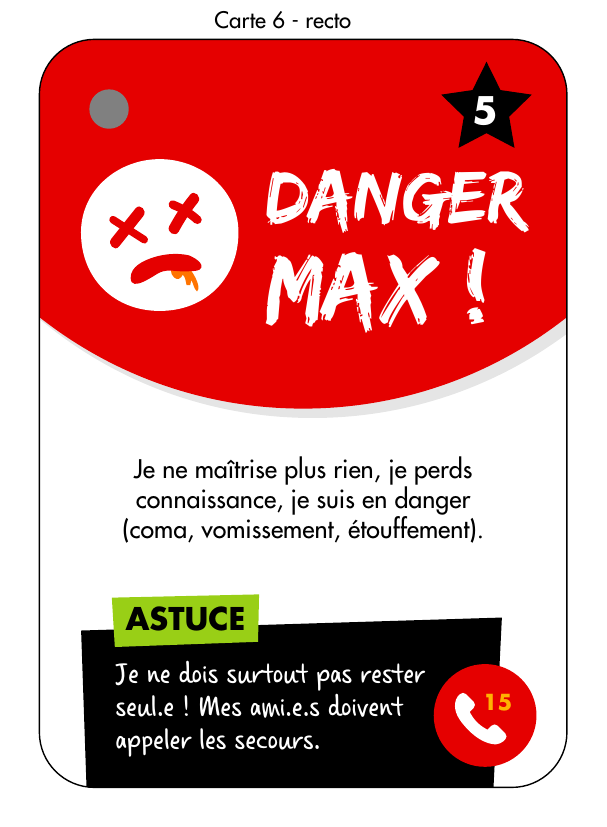
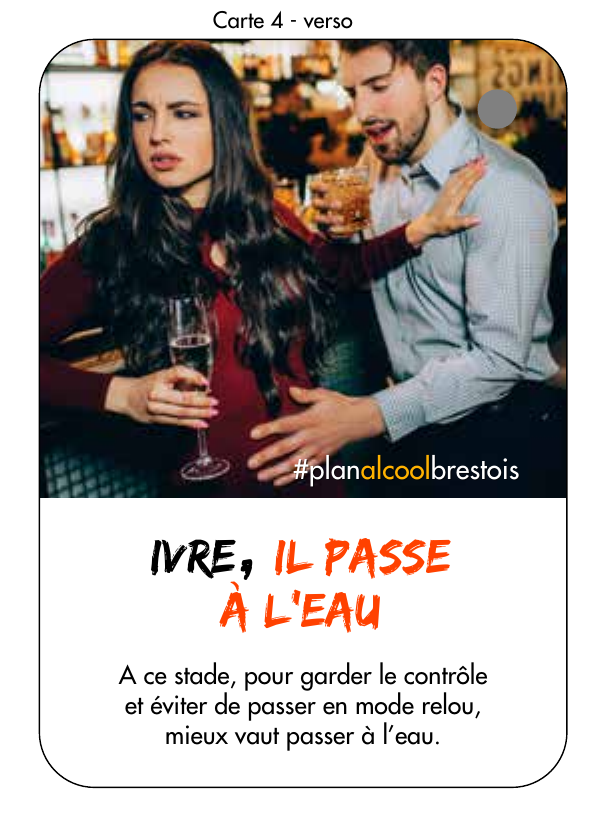
For more information, including access to the educational guide and the short film “La Dernière Soirée,” resources are available through the provided links. The video also offers tips for reducing risks, with both animated and printed versions available.
These initiatives are examples of Brest’s ongoing work to address and prevent alcohol-related issues in the community.
Find more from www.drogues.gouv.fr (France, 2024)









 Alcohol Awareness