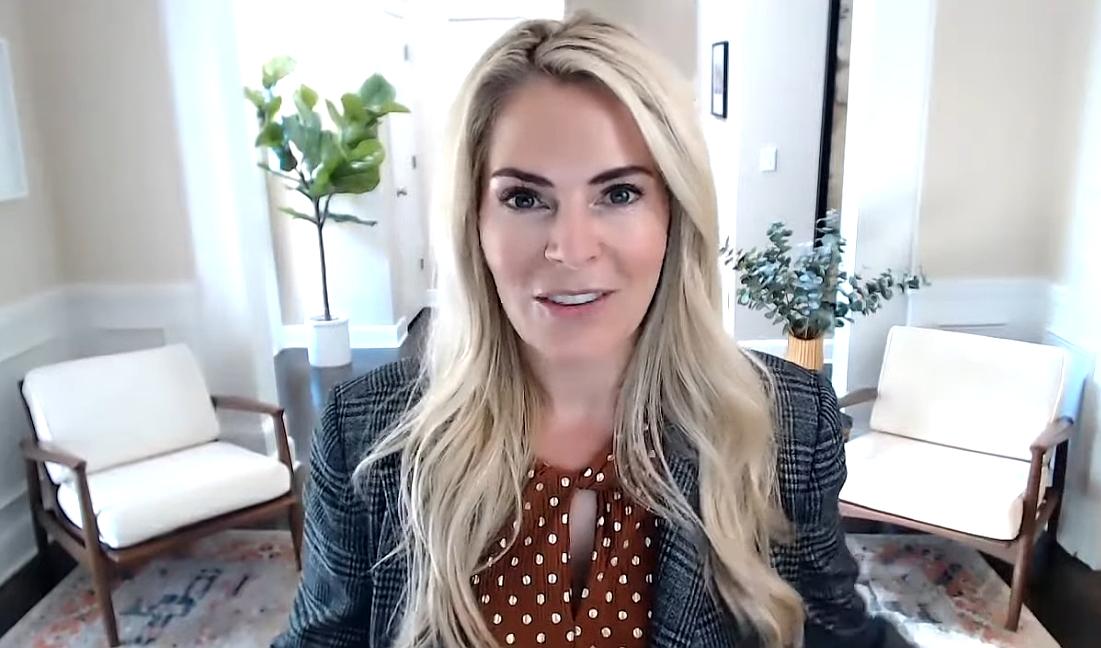
In a video by Dr. Regina Koepp at the Center for Mental Health and Aging, the significant impact of alcohol on older adults compared to younger individuals is examined. With 65% of adults over 65 reporting high-risk drinking, Dr Koepp emphasizes the necessity of understanding how ageing bodies respond differently to alcohol. She outlines three key considerations: increased sensitivity to alcohol, health complications exacerbated by alcohol consumption, and dangerous interactions between alcohol and medications. As people age, their tolerance to alcohol decreases, increasing the risk of falls, car accidents, and other injuries. Additionally, older adults often have pre-existing health conditions like diabetes, heart disease, and osteoporosis, which can be worsened by alcohol use. Medication interactions are another critical concern, as many older adults take drugs that can have severe or even deadly reactions when combined with alcohol.
Dr. Koepp also delves into the triggers that may lead to increased alcohol consumption in older adults, such as retirement, divorce, or the loss of a loved one. Recognizing the signs of problematic drinking in this age group is crucial, as symptoms often mimic other medical conditions, making detection difficult. Dr. Koepp highlights the importance of caregivers and healthcare providers in supporting older adults through these transitions and connecting them to appropriate care. She dispels myths about ageing, stressing that substance use treatment can be highly effective for older adults. Dr. Koepp concludes with a powerful message: there is no expiration date on healing, transformation, and love, and every person, regardless of age, is deserving of mental health care.
Learn more from Dr Regina Koepp (USA, June 2024)
 Alcohol Awareness