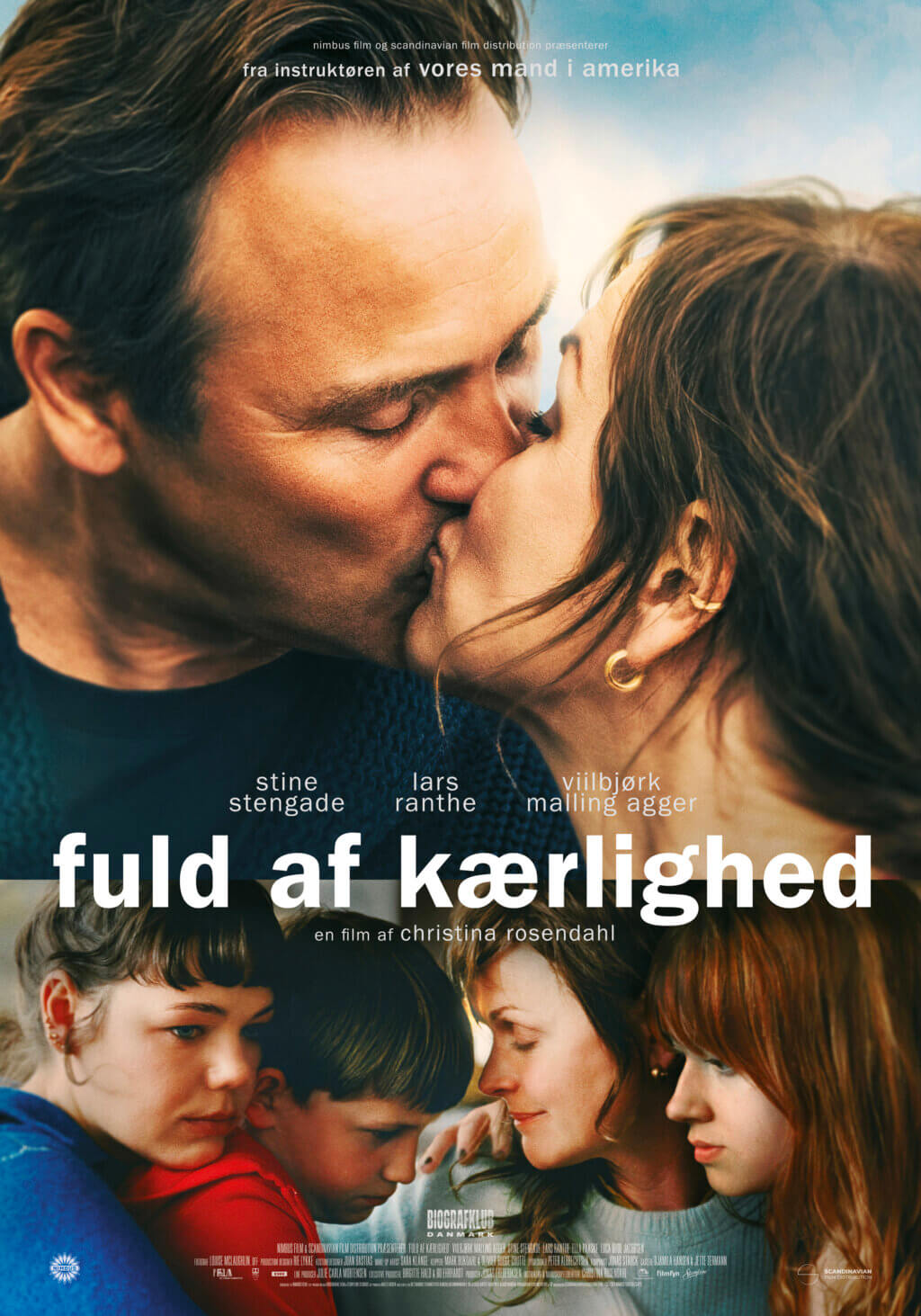
The new Danish film “Fuld af kærlighed” presents a stark portrayal of the devastating impact of growing up in a household with substance abuse issues. Unlike its predecessor, “Druk,” which depicted alcohol as a liberating and life-affirming force, “Fuld af kærlighed” eschews humour and feel-good moments in favour of a raw and sobering exploration of addiction’s toll. The film, seen through the sorrowful eyes of the family’s eldest daughter, delves into the persistent, destructive patterns that continue to affect the family long after the substance abuse has ceased.
The narrative begins at a crisis point, with the father, played by Lars Ranthe, reluctantly entering rehabilitation under immense pressure. While he quickly adapts to the program and achieves sobriety, the film’s focus extends beyond his journey. It scrutinizes the broader implications of addiction on the family, particularly the emotional burdens carried by the eldest daughter, portrayed by Viilbjørk Malling Aggers. Her character sacrifices her own dreams to support her family, highlighting the often-overlooked struggles of those who bear the brunt of a loved one’s addiction.
Director Christina Rosendahl, drawing from her own painful experiences with family addiction, crafts a compelling and insightful drama that serves as both a poignant story and a didactic tool. The film sheds light on the roles and dynamics within a family affected by substance abuse, providing a valuable framework for understanding and addressing these complex issues. Through its realistic depiction of therapy and recovery, “Fuld af kærlighed” emphasizes the necessity of comprehensive support systems not just for the addict, but for the entire family, advocating for a holistic approach to treatment and healing.
Find more from sundhedskultur.dk (Denmark, May 2024)
 Alcohol Awareness