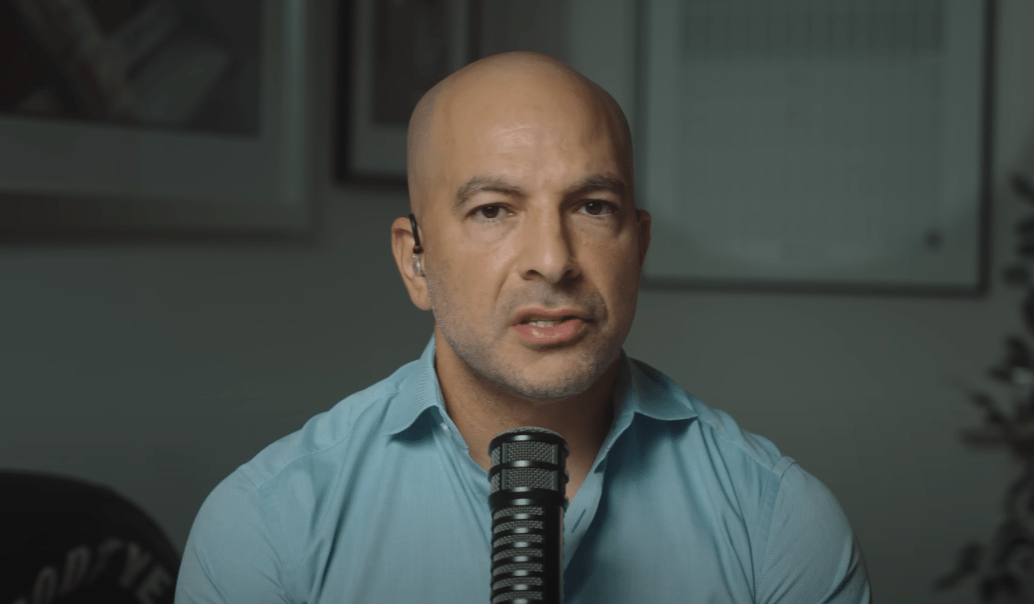
In episode 302 of “The Peter Attia Drive,” titled “Confronting a Metabolic Epidemic: How to Prevent, Diagnose, & Manage Liver Disease,” Peter Attia converses with Dr. Julia Wattacheril, a physician scientist and director of the Metabolic Dysfunction Associated Steatotic Liver Disease (MASLD) program at Columbia University Irving Medical Center. This episode delves into the varied responses individuals have to alcohol consumption, the broader impacts of alcohol beyond liver damage, and how Dr. Wattacheril advises her patients on alcohol use. The discussion sheds light on the complexities of alcohol toxicity, emphasizing that the harmful effects can extend to the brain, heart, pancreas, and other organs, not just the liver.
Dr. Wattacheril highlights that while some individuals may appear less affected by alcohol due to their lack of immediate symptoms, there are numerous underlying factors, including genetic differences and psychosocial components, that influence their susceptibility to alcohol-related damage. The conversation challenges the misconception that moderate alcohol consumption is safe for everyone, pointing out that even so-called normal or moderate intake can have significant oncologic and metabolic consequences. This episode is a valuable resource for understanding the nuanced relationship between alcohol and overall health, particularly for those seeking to make informed decisions about their alcohol consumption.
Learn more from the Drive Podcast (May 2024)
 Alcohol Awareness