
February 20th of each year marks the National Day of Combating Drugs and Alcohol in Brazil. The campaign aims to raise awareness about the harmful effects of excessive alcohol consumption and drug use.
A new report published by the Ministry of Health in September 2023 revealed a substantial increase in alcohol abuse compared to previous years. The rate among the general population increased from 18.4% to 20.8% between 2021 and 2023.
The World Health Organization (WHO) defines alcoholism as a chronic disease that can lead to various medical complications, such as cirrhosis. This condition occurs when a person excessively consumes alcohol, despite the harm it can cause to human health.
The more alcohol a person consumes, the less sensitive their body becomes to it. This means that alcoholics need to drink more and more to feel the false sense of satisfaction. The main symptoms include:
- Recurrent desire for alcohol
- Decreased tolerance to alcohol
- Withdrawal symptoms
- Irritability due to lack of alcohol
Various factors can lead to alcoholism, ranging from genetic factors to social pressures. In many cases, people seek an escape from their problems and individual dilemmas. Alcohol is a psychoactive substance that acts directly on the brain, altering its functioning and perceptions, causing a temporary feeling of relief and well-being. Therefore, treatment for alcoholism should not only consider the addiction itself but also address the underlying causes of the person’s alcohol use.
Similar to alcohol abuse, there is no single reason why a person might start using drugs. The WHO considers the dependence on legal and illegal drugs a public health problem that governments should address with importance and care. According to the WHO, about 5% of the world population between 15 and 64 years of age uses illicit drugs, such as marijuana, cocaine, and crack.
The 2023 World Drug Report, released by the United Nations Office on Drugs and Crime (UNODC), showed a 23% increase in the number of drug users over a 10-year period. The number of people suffering from drug use disorders has increased by 45%.
The government of the State of Paraná offers free alternatives for the treatment of alcoholics and drug addicts who seek a change in their lives. If you need help or know someone who is seeking help, you can contact the Psychosocial Care Centers (CAPS) or health units. They will be responsible for referring the patient to the appropriate treatment. There are also mutual aid groups and Alcoholics Anonymous that provide support to those who need it.
Visit Parana CENTER FOR DRUG POLICY (Brazil, February 2024)
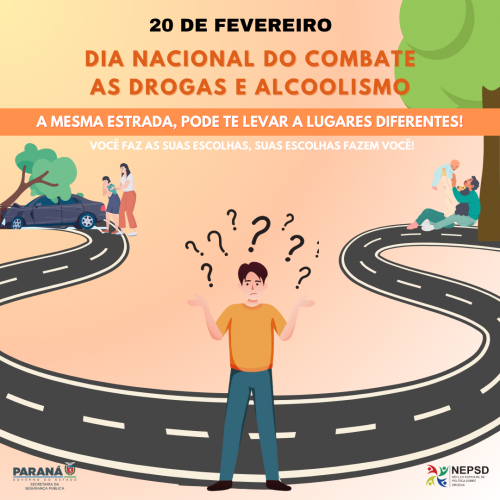
The work “Choices” from the Sagrada Família State School in the municipality of Campo Largo/PR, took first place in the 7th State Video Contest Against Drugs.
It was created by students Marina Paula Silvério, Giovana Aparecida Vieira Patzki, Vinicius Barboza de Assis, Camilli Vitoria Sousa Rodrigues and Anahelly Vitoria Senk, with guidance from Professor Clarice Foster Cordeiro and direction from Professor Sister Lúcia Staron.
The contest takes place annually and all information can be found on the website – http://www.politicasobredrogas.pr.gov.br.
 Alcohol Awareness